
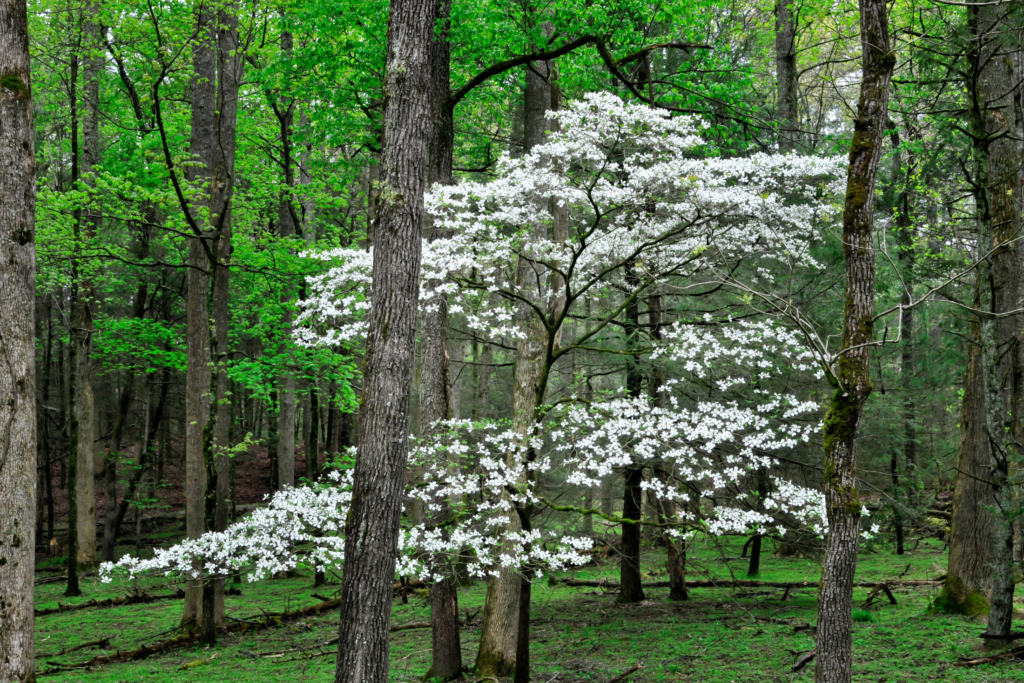
Grief does not have to stay still. A blooming garden grows alongside healing, giving families a living place to return to, care for, and remember.
For many families in Northeast Philadelphia, remembrance begins at the funeral or memorial service. Over time, memory often needs a quieter place too. A small garden bed, a tree planted in someone’s honor, a row of flowers near a porch, or a favorite walking spot in Pennypack Park may become part of how a family carries love forward.
Summer planting season offers a gentle opportunity to create something meaningful. The work does not need to feel formal or expensive. A living memorial simply gives grief a place to breathe.
Why Living Memorials Feel Different
A framed photo, keepsake, or obituary preserves a moment. A garden changes with time. It asks for water, light, pruning, patience, and return. For families moving through grief, that rhythm often feels helpful.
A living memorial also gives family members a shared place to gather. Children might water flowers. A spouse might sit nearby in the morning. Adult children might plant something new each spring. Grandchildren might learn stories while helping pull weeds or place mulch.
Grief often comes in waves. Gardens honor that truth. Some days bring blooms. Some seasons feel bare. Growth still happens underneath.
Start With the Person, Not the Plants
The most meaningful memorial gardens begin with memory. Before choosing plants, ask what made your loved one feel like themselves.
- Did they love roses, herbs, tomatoes, or shade trees?
- Did they enjoy sitting outside in the morning?
- Did they have a favorite color?
- Did they care about birds, butterflies, or native plants?
- Did they spend time in Pennypack Park, Wissinoming Park, or a backyard in Mayfair, Holmesburg, Rhawnhurst, or Tacony?
- Did they prefer something simple and quiet?
These answers help shape the garden. A memorial should reflect the person, not pressure the family to create something perfect.
Choose Plants With Meaning
Some families choose plants because of symbolism. Others choose plants because they bring back a clear memory. Both approaches work.
Roses often represent love and devotion. Lilies may feel tied to remembrance and faith. Lavender brings fragrance and calm. Rosemary has long been associated with memory. Sunflowers feel warm and bright. Daffodils return each spring and may bring comfort after a long winter. Native plants support local pollinators and often suit Philadelphia weather well.
A tree offers another kind of tribute. It grows slowly, marks time, and creates shade for others. For families who want a tribute with lasting natural meaning, John F. Fluehr & Sons offers memorial tree planting as a way to honor a loved one with something living.
National grief and remembrance resources also point to living tributes as meaningful acts of honor. HealGrief shares many remembrance ideas, including acts that help families keep memory active over time through creative ways to remember and honor a loved one.
Think About Where the Memorial Belongs
A living memorial does not need a large yard. It might fit in a garden bed, container, patio planter, windowsill herb garden, or small corner near a family walkway.
Families in rowhomes or twins across Northeast Philadelphia often use compact spaces well. A pot of lavender near the steps, a small rose bush, or a planter filled with seasonal flowers may hold deep meaning without requiring major upkeep.
For those with more space, a tree, flowering shrub, or perennial garden may feel right. Before planting in a public place, check local rules. Public parks and shared spaces often have guidelines about planting, memorial markers, and maintenance.
Pennypack Park offers a meaningful local connection for many Northeast Philly families. A walk through its wooded paths, meadows, and creekside spaces may become a remembrance ritual, even when planting there is not appropriate. Sometimes the memorial is not the soil itself. It is the act of returning to a place where memory feels close.
Invite Children and Teens Into the Process
A living memorial often helps younger family members understand grief through action. Children may not always have words for loss, but they often understand watering, drawing, planting, choosing colors, or placing a small stone near flowers.
Teens may prefer a quieter role. They might choose music to play while planting, design a small sign, pick a tree, or help choose a photo for a memory area.
Fluehr’s guidance on supporting children and teens in grief encourages patience, honesty, stability, and meaningful remembrance. A garden supports those needs because it gives children something gentle to do with their love.
Make the Garden Part of Family Rituals
The first planting matters, but the ongoing ritual often matters more. A family might visit the garden on birthdays, anniversaries, Mother’s Day, Father’s Day, Memorial Day, or the first warm weekend of summer.
Simple rituals work best because people return to them.
- Water the flowers on a loved one’s birthday.
- Plant annuals each spring.
- Place a smooth stone with a handwritten word nearby.
- Share one story before pruning or planting.
- Take a family walk in Pennypack Park each year.
- Let each grandchild choose one flower color.
- Keep a small journal of what blooms each season.
These rituals do not remove grief. They give grief structure. They turn remembrance into something the family shares, not only something each person carries alone.
Balance Beauty With Maintenance
A memorial garden should comfort the family, not become another source of stress. Choose plants that match the time, energy, and space available.
If daily watering feels too hard, choose hardy perennials or a tree suited to the location. If bending or lifting is difficult, use raised planters. If several relatives want to help, assign simple seasonal tasks. If the family lives out of town, choose a memorial tree service or a low maintenance tribute instead of a garden that needs weekly care.
A Living Tribute offers ideas for honoring someone’s memory through lasting acts, including tree planting, memory rituals, letters, and family traditions in its guide to meaningful ways to honor the memory of a loved one.
Let the Memorial Change Over Time
Some families feel pressure to keep a memorial exactly the same. A garden reminds us that change is part of love after loss.
Flowers may be replaced. A tree may grow taller than expected. A child may add a painted stone. A spouse may move a bench to a sunnier spot. A family may begin with one planter and later add a larger garden.
None of this takes away from the tribute. It means the relationship is still present in family life. The memorial grows because the family keeps living, remembering, and returning.
Support Beyond the Service
John F. Fluehr & Sons understands that remembrance does not end after a funeral, memorial service, or burial. Families often need support in the weeks, months, and seasons that follow.
For families looking for calm guidance after a loss, Fluehr’s grief support resource for caring for yourself and others offers helpful reminders about patience, self care, support, and honoring the journey over time.
A memorial garden is one way to continue that journey. It gives love somewhere to go. It gives family members something to tend. It gives memory a place in the light.