Veterans deserve a farewell marked by honor, ceremony, and gratitude, yet many families do not know what benefits, traditions, and military honors their loved one earned through service.
A veteran funeral service carries a meaning beyond the ordinary. It reflects a life of duty, sacrifice, and commitment. It also gives family, friends, neighbors, and fellow veterans a place to stand together in respect. Around Flag Day on June 14, many Philadelphia families pause to think about the meaning of the American flag, the people who served beneath it, and the families who carry their memory forward.
In Northeast Philadelphia, veteran families are part of the fabric of the community. Many families in Mayfair, Holmesburg, Rhawnhurst, Tacony, Oxford Circle, Bustleton, and surrounding neighborhoods have parents, grandparents, spouses, siblings, and children who served in the Army, Navy, Air Force, Marine Corps, Coast Guard, Space Force, National Guard, or Reserve. When a veteran dies, families often want to do right by them, but they are unsure what to ask for first.
John F. Fluehr & Sons understands the responsibility involved in caring for veteran families. Our team helps families gather service information, discuss funeral traditions, request appropriate honors, coordinate with cemeteries, and create a farewell rooted in dignity.
Why Veteran Funeral Traditions Matter
Military funeral traditions have meaning because they turn service into visible respect. The folding of the flag, the playing of Taps, uniformed service members, salutes, and careful ceremony all remind the family their loved one’s service mattered.
These traditions also support the people left behind. A spouse hears Taps and feels the weight of a life remembered. A child sees the flag presented with care. Fellow veterans stand together with quiet understanding. Neighbors witness a moment of gratitude.
For families who feel overwhelmed, these honors create structure. They give the service a respectful rhythm. They remind guests the farewell belongs not only to a private family, but to a nation grateful for service.
Veterans Funeral Care explains how military funeral traditions carry history, symbolism, and public respect through the history of veterans funerals and their traditions. Families planning in Philadelphia often find comfort in understanding why these rituals matter.
What Military Funeral Honors Usually Include
Military funeral honors are a formal tribute for an eligible veteran. The ceremony usually includes a uniformed honor guard, the folding and presentation of the United States flag, and the playing of Taps.
The honor guard detail includes at least two uniformed service members when available through the military honors program. One member should represent the veteran’s branch of service. The family often sees this moment near the graveside service, committal, or another appropriate part of the funeral.
Taps often becomes the most emotional part of the service. The notes are simple, but they carry deep meaning. For many families, Taps gives voice to feelings too hard to express.
The United States Department of Veterans Affairs explains eligibility and ceremony details through its official military funeral honors guidance for eligible veterans. Families should ask the funeral director early so the request is made with enough time for coordination.
Who May Be Eligible for Military Funeral Honors
Eligibility depends on service history and discharge status. Many veterans who served on active duty and were discharged under conditions other than dishonorable qualify. Members of the Selected Reserve may qualify as well. Some former service members who completed at least one term of enlistment or period of obligated service may qualify, depending on the details.
The most helpful document is the DD214 or other discharge record. This document verifies service and helps the funeral home request honors. If the family cannot find it, tell the funeral director right away. There may be ways to begin gathering records, but extra time helps.
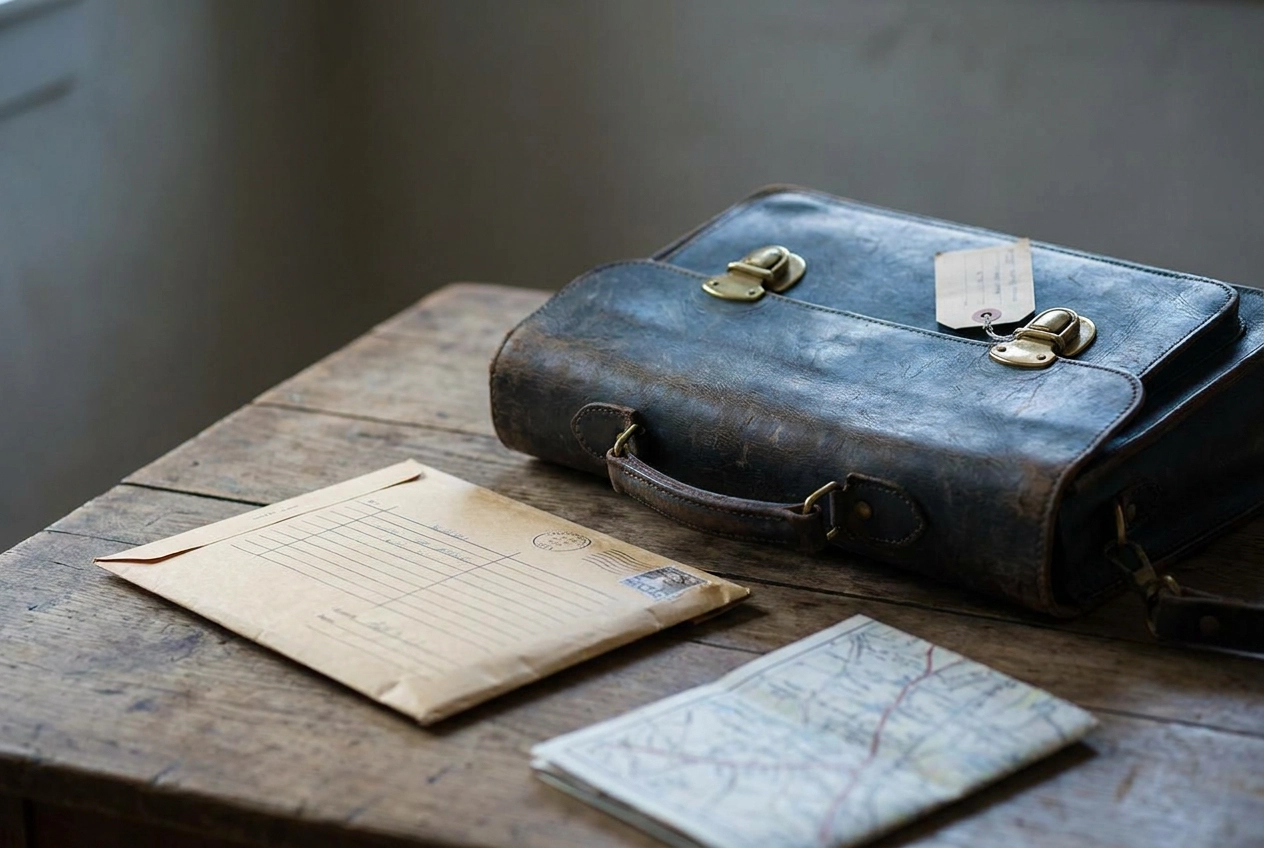
Families should bring any military documents they have, including discharge papers, service records, medals, photos in uniform, veteran organization memberships, and cemetery information. Even small details help the funeral director understand the veteran’s service and guide the family.
The Meaning of the Flag Presentation
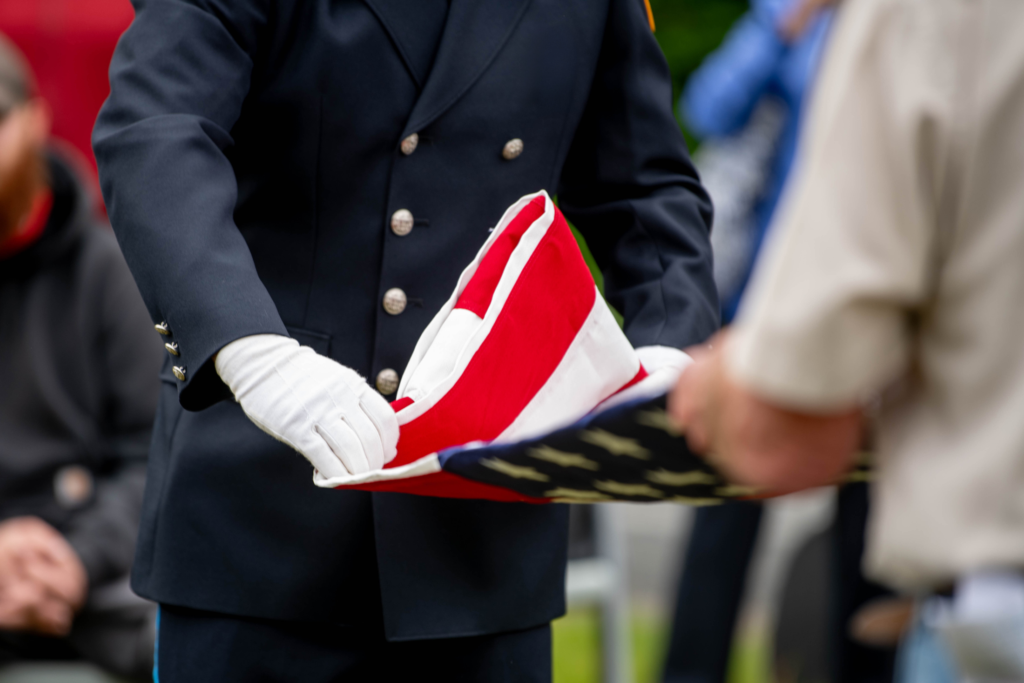
The American flag is one of the most recognized parts of a veteran funeral. It often rests over the casket during the service or appears at the committal ceremony. At the proper moment, uniformed service members fold the flag with care and present it to the next of kin.
This moment is formal, quiet, and deeply personal. The flag represents the nation’s gratitude. It also becomes a lasting keepsake for the family. Some families display it in a case at home. Others keep it in a private place with military records, photos, letters, or medals.
Before the service, families should decide who will receive the flag. This is often the surviving spouse, child, parent, or another close family member. If the family is unsure, the funeral director can help guide the conversation with respect.
VA Burial Benefits Families Should Ask About
Veteran families may be eligible for certain burial benefits. These benefits vary based on service, discharge status, location of burial, and other factors. Families should ask early because paperwork and documentation matter.
Possible benefits may include burial in a national cemetery for eligible veterans, a government headstone or marker, a burial flag, a Presidential Memorial Certificate, and possible burial allowance support in certain cases. Some spouses and dependents may have related eligibility for national cemetery burial as well.
Because rules and amounts change, families should not rely on old information from relatives or online summaries. The best path is to gather the veteran’s service documents and ask the funeral director what to review next.
John F. Fluehr & Sons helps families understand what information is needed, which questions to ask, and how veteran related details fit into the service plan.
Why the DD214 Matters
The DD214 is one of the most important documents for veteran funeral planning. It shows military service and discharge status. It often supports requests for military funeral honors and other veteran benefits.
If the veteran had a preplanning file, check there first. Families should also check safe places where important papers are kept: a home file cabinet, safe, desk drawer, attorney file, bank box, veteran organization folder, or records held by a spouse or adult child.
If the DD214 is missing, do not panic. Tell the funeral home right away. A director can explain what information may help while the family looks for records.
Traditional Funeral, Cremation, or Graveside Service
Veteran honors can be part of many service types. A family may choose a traditional funeral with visitation and burial. Another family may choose cremation with a memorial service. Another may prefer a simple graveside committal.
The form of the service should reflect the veteran’s wishes, family beliefs, faith traditions, and practical needs. A veteran funeral does not need to be large to be meaningful. A small graveside service with Taps and a flag presentation may feel deeply personal. A full service with visitation, military honors, clergy, eulogies, and a cemetery procession may feel right for another family.
Families often ask whether cremation limits veteran honors. In many cases, military funeral honors can still be requested for an eligible veteran when cremation is chosen. The ceremony may happen at a memorial service, cemetery, columbarium, or other appropriate setting.
Faith, Family, and Military Service Can Work Together
Many Northeast Philadelphia veteran families have strong religious and cultural traditions. A veteran may have wanted a Catholic funeral Mass, an Orthodox service, a Protestant service, a Jewish service, a Muslim burial, a Buddhist ceremony, a Hindu service, or a non religious memorial.
Military honors do not need to replace those traditions. They often work alongside them. The family might hold a religious service first, then military honors at the cemetery. Or the family might include veteran symbols, photos, readings, or remarks within a memorial gathering.
The funeral director helps coordinate timing so each part receives proper care. This matters because military honors, clergy schedules, cemetery timing, family travel, and obituary details all need alignment.
How Fluehr Works With Veteran Families
John F. Fluehr & Sons has served Northeast Philadelphia families since 1898. Veteran families come to us with many different needs. Some have a full preplanned file ready. Others call after a death with no documents in hand. Some know their loved one wanted military honors. Others are learning about the option for the first time.
Our team helps families take the next step without pressure. We ask about service history, discharge papers, cemetery plans, religious preferences, cremation or burial choices, obituary details, and who should be involved in decisions.
We also help families think through personal touches. A veteran tribute may include military photos, medals, service branch symbols, favorite hymns, patriotic music, a uniform item, a memory table, veteran organization participation, or a eulogy focused on service and family life.
The goal is not to create a service full of symbols for the sake of display. The goal is to honor a full life, including service to the country.
What Families Should Bring to the Arrangement Conversation
Families planning a veteran funeral should bring whatever information they have. Missing documents should not stop the first call. It is better to begin the conversation and learn what is needed.
Helpful items include:
- DD214 or other discharge papers
- Full legal name of the veteran
- Date and place of birth
- Social Security number
- Branch of service
- Rank, if known
- Dates of service, if known
- Medals, awards, or military photos
- Cemetery plot information, if already chosen
- Preplanning documents, if available
- Obituary notes and family names
- Preferred clergy, church, or place of service
One family member should act as the main contact when possible. This keeps communication clear and helps the funeral home share updates quickly.
Supporting Children and Teens After a Veteran’s Death
Children and teens often notice the ceremony around a veteran funeral, even when they do not fully understand each tradition. The flag, uniformed service members, Taps, and folded flag presentation may create questions.
Adults can explain these moments in simple language. You might say, “Grandpop served our country, and these honors thank him for that service.” Or, “The flag is being folded and given to our family as a sign of respect.”
Young people may need time to process both the loss and the ceremony. Some may feel proud. Some may feel confused. Some may cry at Taps or ask later why everyone stood so quietly.
Fluehr offers guidance for supporting children and teens in grief, which helps families talk with younger mourners in honest, compassionate ways.
Grief Support After the Honors End
A veteran funeral often brings powerful moments of respect, but grief continues after the service. The folded flag comes home. The chairs are put away. Relatives return to their routines. The family starts living with the absence.
This is where ongoing support matters. A surviving spouse may feel the loss most in quiet evening hours. Adult children may feel it when handling paperwork. Grandchildren may ask questions weeks later. Fellow veterans may feel the death in ways they do not easily discuss.
Grief has no single timetable. Families should give one another patience. They should ask for help when needed and make room for stories, silence, prayer, rest, and community support.
Fluehr’s resource for supporting yourself and others through grief offers calm guidance for families caring for their own loss while also being present for others.
Flag Day and the Meaning of Remembrance
Flag Day gives families a natural moment to remember veterans in a visible way. Some families display the folded flag. Others visit a cemetery, place flowers, share a story, light a candle, or bring children into a conversation about service.
For Northeast Philadelphia families, remembrance often happens close to home. It may happen around a kitchen table in Mayfair, a parish gathering in Holmesburg, a graveside visit near the city, or a neighborhood block where everyone remembers the veteran’s name.
Small acts matter. A photo on a table. A short story told to a grandchild. A flag placed with care. A phone call to a surviving spouse. These gestures keep memory active.
Questions to Ask a Funeral Director About Veteran Honors
Families often feel unsure about what to ask. Start with simple, direct questions.
- Is our loved one eligible for military funeral honors?
- What documents do we need?
- How do we request the honor guard?
- When does the flag presentation happen?
- Where will Taps be played?
- Can military honors be included with cremation?
- Are there VA burial benefits we should review?
- Can the service include both faith traditions and military honors?
- Who should receive the flag?
- What should guests expect during the ceremony?
A funeral director should answer with clarity and respect. Families should never feel embarrassed for asking basic questions. These details are unfamiliar to many people until they need them.
A Farewell Worthy of Service
A veteran funeral is about more than ceremony. It is about gratitude, family memory, and the promise to honor service with care. Military honors, VA benefits, flag presentation, Taps, and tradition all help create a farewell worthy of a life of service.
For families in Northeast Philadelphia, having local guidance makes the process clearer. John F. Fluehr & Sons helps veteran families understand options, gather documents, coordinate honors, and create a service rooted in respect.
The team at John F. Fluehr & Sons is here for your whole family, including its youngest members. Call us at (215) 624-5150.