
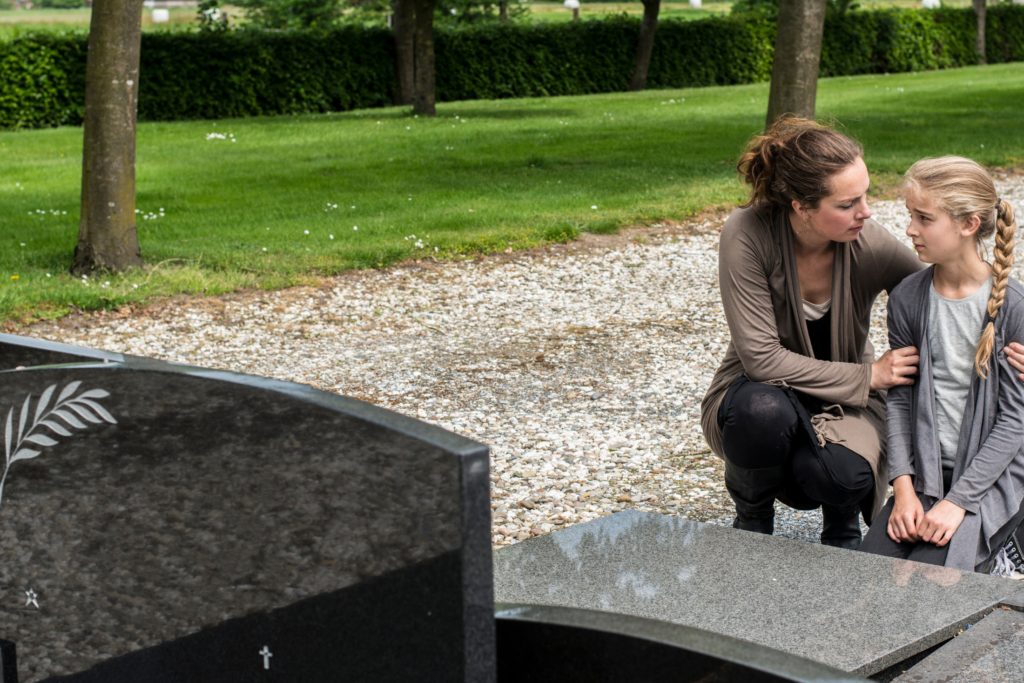
The chair at the table feels different. Here’s how some families have learned to cope.
Father’s Day grief in Philadelphia often arrives before the day itself. It starts with the cards in stores, the restaurant ads, the social posts, the Phillies game you would have watched together, or the empty seat at a backyard cookout. The first Father’s Day without Dad or Grandpop hurts in a sharp way. The fifth one might still surprise you. Grief does not follow a clean calendar. It rises when memory touches something ordinary.
For families across Northeast Philadelphia, Father’s Day often holds strong traditions. Maybe Dad grilled in the yard. Maybe Grandpop sat at the head of the table. Maybe he took the family to Pennypack Park, watched the game from his favorite chair, drove everyone to Mass, or told the same story every June. When he is gone, the day does not feel normal.
John F. Fluehr & Sons understands that holidays after loss need care. You do not need to force joy. You do not need to act fine. You only need a gentle way through the day.
Let the Day Be Hard
Many people try to brace for Father’s Day by pretending it is only another Sunday. That rarely works. The reminders are everywhere. Cards, commercials, family photos, brunch plans, and phone alerts bring the loss back into view.
There is no weakness in saying, “This day is hard.” Naming the pain gives you room to breathe. It also helps others understand why you might feel quiet, distracted, emotional, or tired.
A recent Psychology Today reflection on Father’s Day after loss encourages people to acknowledge the holiday instead of avoiding it, reframe the day around remembrance, create small rituals, make plans ahead, and lean on support. Those ideas are practical because they do not ask you to stop missing your father. They help you carry the day with more care through gentle guidance for grieving and remembering Dad on Father’s Day.
If this is your first Father’s Day without him, keep expectations low. Your emotions might shift during the day. You might laugh at a memory in the morning and cry at dinner. You might feel numb. You might want company, then need time alone. All of that belongs to grief.
Plan the Day Before the Day Arrives
Grief feels heavier when every choice lands at once. A simple plan gives the day shape without turning it into a performance.
Ask yourself a few questions before Father’s Day:
- Do I want to be with people or spend part of the day alone?
- Is there a place that feels connected to Dad or Grandpop?
- Would a meal, walk, visit, prayer, or story help?
- Do I want to avoid social media?
- Who should I call if the day feels too heavy?
You do not need a packed schedule. One meaningful act is enough. Maybe you visit his grave. Maybe you cook his favorite breakfast. Maybe you drive past his old house in Mayfair, Holmesburg, Rhawnhurst, Tacony, or wherever his story lives. Maybe you sit with coffee and say his name out loud.
The goal is not to control grief. The goal is to give yourself a few steady points during an emotional day.
Visit a Place That Holds His Memory
Philadelphia families often connect grief to place. A street corner, parish, ballfield, park trail, diner, cemetery, or front porch holds more than memory. It holds a feeling of him.
On Father’s Day, you might visit a place he loved. For some families, that means walking in Pennypack Park. For others, it means stopping by a favorite hoagie shop, sitting at a neighborhood field, visiting a local cemetery, attending Mass, or taking a slow drive past a family home.
If Dad loved the Phillies, watch an inning in his honor. If Grandpop loved fishing, spend time near the water. If he liked working in the yard, plant flowers near the steps. If he loved a certain restaurant, order what he ordered.
These acts do not erase loss. They create connection. They let memory move from pain alone into something shared, touched, and lived.
Keep One Tradition, Change Another
Some traditions bring comfort. Others hurt too much at first. Give yourself permission to keep what helps and change what hurts.
If the Father’s Day cookout feels right, host it in a smaller way. Keep his chair open, or place a photo nearby. If the same meal feels too painful, choose something simpler. If gathering at the family home feels heavy, meet at a park or restaurant instead.
Families sometimes feel guilt when they change a tradition. But grief changes family life. Adjusting the day does not mean you love him less. It means you are learning how to live with his absence.
Try saying, “This year, we are going to do Father’s Day differently.” That sentence gives everyone permission to adapt.
Share the Stories He Left Behind
Stories keep a father or grandfather present in family life. They help children know him. They help adults remember more than the final days, illness, or funeral. They bring back his humor, habits, advice, sayings, and favorite complaints.
At dinner, ask each person to share one story. Keep it simple:
- What did Dad always say?
- What did Grandpop teach you?
- What made him laugh?
- What was his favorite meal?
- What Philadelphia place reminds you of him?
- What is one thing he did for the family that deserves remembering?
AgingCare’s Father’s Day remembrance article suggests buying a card, sharing stories, bringing flowers, visiting another father figure, or spending the day doing something Dad would have enjoyed. Those ideas fit because they meet grief through action, memory, and connection through simple ways to honor Dad after he has died.
If the family has young children, invite them in without forcing them. They might draw a picture, choose a photo, place flowers, or ask questions. Children often grieve in short bursts. A story at dinner might mean more than a long conversation.
Support Children and Teens on Father’s Day
Children and teens often feel Father’s Day differently from adults. A child might worry about a school activity centered on dads. A teen might avoid talking because the topic feels too exposed. A grandchild might miss Grandpop but struggle to explain why the day feels strange.
Use honest, simple language. Say, “Father’s Day might feel sad because Grandpop died. We are going to remember him together.” Avoid pretending the day is fine if everyone feels the absence.
Give younger family members choices. They might help choose flowers, draw a card, pick a song, visit a gravesite, or stay home if the plan feels too much. Teens might prefer a private ritual, a playlist, a walk, or time with cousins instead of a formal family conversation.
Fluehr’s resource for supporting children and teens through grief explains why clear language, patience, creative expression, routine, and remembrance matter for younger mourners. Father’s Day is one of those moments when adults need to watch, listen, and make room for questions.
Care for the Person Who Lost a Spouse
Father’s Day often focuses on children, but the surviving spouse may carry a private ache. A wife may miss the way her husband answered the door for the kids. A husband may miss the father he raised children with. A partner may feel the silence after everyone else leaves.
Reach out before Father’s Day. A simple call helps. So does a text that says, “I know Sunday might be hard. I am thinking of you.” Offer something specific: a ride to the cemetery, dinner dropped off, company at church, or help with flowers.
Do not ask the grieving person to manage everyone else’s emotions. Let them choose the pace. Some surviving spouses want the house full. Others need a quiet day. Respect both.
Use Social Media With Care
Father’s Day social media posts often hit hard. Happy photos, tribute posts, brunch pictures, and ads might feel like too much. You are allowed to take a break.
Turn off notifications for the day. Skip apps in the morning. Ask a friend to check messages if you expect emotional posts. Or write your own tribute, then step away after posting.
If you post, write what feels true. It does not need to be polished. A short message works: “Missing you today, Dad.” So does a favorite photo, a funny line he used, or a quiet thank you.
Public grief is optional. Private remembrance counts just as much.
When the Relationship Was Complicated
Not every Father’s Day grief story is simple. Some people miss a loving father deeply. Others grieve a father they wanted but did not fully have. Some relationships included distance, conflict, addiction, absence, or unresolved pain. A person might feel sadness, anger, relief, guilt, and longing in the same day.
If your relationship with Dad was complicated, you still deserve support. You do not have to turn him into a perfect person to grieve him. You also do not have to ignore pain to honor whatever good existed.
Choose a ritual that fits the truth. That might mean lighting a candle, writing a letter you do not send, talking with a counselor, going for a walk, or choosing not to mark the day publicly. Grief needs honesty more than image.
Small Rituals That Help Families Cope
Rituals give grief somewhere to go. They do not need to be formal. They only need meaning.
Here are gentle options for families in Philadelphia:
- Visit a favorite park, parish, cemetery, restaurant, or neighborhood spot.
- Make Dad’s favorite meal or dessert.
- Watch the team he loved.
- Play his music while driving.
- Buy a Father’s Day card and write inside it.
- Bring flowers to his gravesite or keep flowers at home.
- Invite each family member to share one story.
- Donate to a cause he cared about.
- Plant something in his memory.
- Call someone who also misses him.
Pick one. Let that be enough.
Give Yourself Permission to Do Less
Some families want a full day of remembrance. Others need rest. Both are valid.
If Father’s Day feels too painful, choose a quiet plan. Eat something simple. Take a walk. Keep the TV on. Avoid the card aisle. Let someone else handle dinner. You do not have to prove your love through a big gesture.
Grief already takes energy. Holidays take more. Doing less is not failure. It is care.
Reach for Support After the Holiday Too
Sometimes the day after Father’s Day feels harder than the holiday itself. The messages stop. The family leaves. The quiet returns. This is often when grief settles in.
Make a plan for the day after. Schedule coffee with a friend. Take a walk. Call someone who understands. Keep meals simple. Give yourself a slower morning if possible.
Fluehr’s grief support guidance for caring for yourself and others reminds families that grief affects mind, body, and spirit. Rest, meals, movement, routine, shared memories, and support all matter, especially during holidays and anniversaries.
A Day of Love, Even When It Hurts
Father’s Day without Dad or Grandpop is not easy. The empty chair matters. The missing phone call matters. The silence where his laugh used to be matters.
But love still has a place on the day. It might show up in a story. It might show up in a walk through Pennypack Park. It might show up in a prayer, a meal, a card, a flower, a photo, or a quiet moment at the table.
You do not need to make the day perfect. You only need to move through it with honesty and care. Remember him in a way that feels true. Let others support you. Give children and teens room to grieve in their own way. Let the day hold sadness and love together.
The team at John F. Fluehr & Sons is here for your whole family, including its youngest members. Call us at (215) 624-5150.