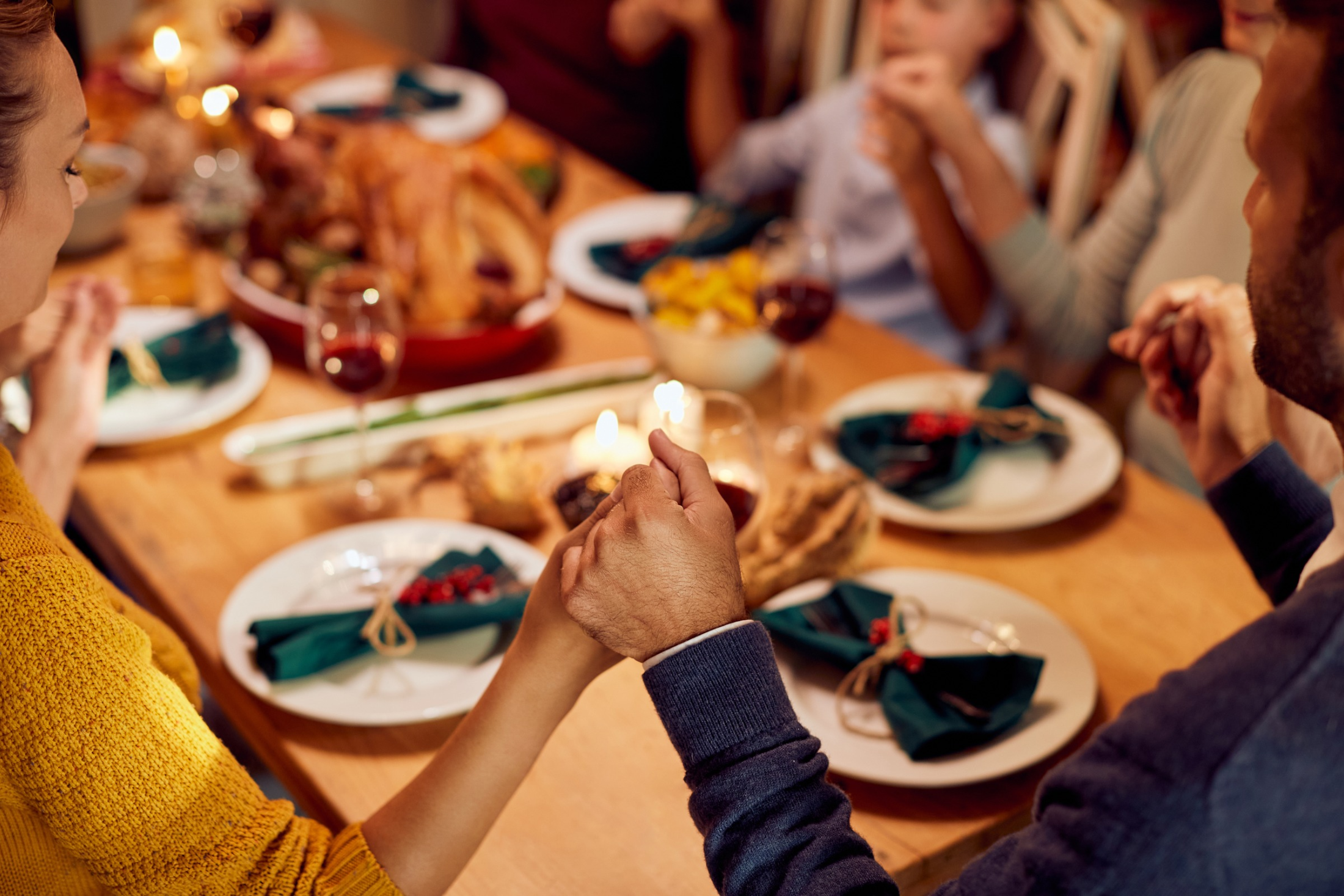
Sometimes the empty place at Thanksgiving is not at the table.
It is in the kitchen.
Mom was the one who knew when the turkey needed to go in. Grandmom had the stuffing recipe written mostly in her head. Dad brought up the folding chairs before anyone asked. Your sister knew which cousin was bringing dessert, who needed a ride, and how many extra potatoes to make.
Then the person who held all of those small pieces together dies, and Thanksgiving arrives anyway.
Someone has to unlock the door.
Someone has to make the grocery list.
Someone has to decide whether dinner is still at two.
And often, without much discussion, one family member finds everyone looking at them.
Taking over the holiday after the family host dies brings a particular kind of grief. You are not only missing someone. You are stepping into a role so closely associated with them that even doing it well may feel wrong.
You are not replacing them.
You are helping the family gather again.
The Host Was Doing More Than Cooking
Family hosts usually hold a surprising amount of invisible knowledge.
They know who sits where.
They know which serving bowl belongs to the mashed potatoes.
They know Uncle Joe does not eat onions.
They know somebody needs decaf after dinner.
They remember the rolls everyone else forgets.
They know which relative will arrive early and which one will be forty minutes late.
When that person dies, the family loses more than a cook or a house where everyone gathered.
It loses an organizer, historian, referee, recipe keeper, and keeper of dozens of routines nobody thought to write down.
That is why the first holiday without the host often feels disorienting even before grief enters the room.
You Do Not Have to Become Them
If Thanksgiving moves to your house this year, you may feel pressure to recreate what everyone remembers.
The same food.
The same timing.
The same table.
The same traditions.
The same feeling.
That last one is impossible.
The family has changed.
Trying to reproduce the holiday exactly may make the absence feel stronger because the one difference nobody controls is the person who is missing.
Your job is not to become Mom.
Your job is not to make Grandmom’s Thanksgiving.
Your job is to host this Thanksgiving.
There is freedom in recognizing the difference.
Keep the Recipe, Change the Rest
Food holds memory especially strongly during the holidays.
If the person who died had a signature recipe, making it may feel important.
Make the stuffing.
Bake the pie.
Use the gravy boat that came out once a year.
Then give yourself permission to change something else.
Buy the rolls instead of making them.
Ask someone else to bring dessert.
Use disposable containers for leftovers.
Serve dinner an hour later.
Move the meal to another house.
Remembering A Life offers ideas for keeping a loved one’s memory alive through meals, recipes, photographs, music, stories, and personal traditions. One suggestion is especially suited to Thanksgiving: preparing a favorite meal or cherished recipe as a way of maintaining connection.
You do not need to preserve every detail for one recipe to matter.
Ask for the Recipe Before Deciding Nobody Knows It
Family recipes have a strange habit of surviving in pieces.
Your sister remembers the ingredients.
Your aunt remembers the oven temperature.
Your cousin has a photograph of the original recipe card.
Somebody remembers Mom added more butter than the written recipe said.
Gather what everyone knows.
You may not reproduce the dish perfectly.
That is fine.
The attempt itself often becomes part of the holiday.
“It needs more sage.”
“Grandmom never measured that.”
“Mom would be horrified by what we did to her gravy.”
Those comments bring the person into the room without turning dinner into a memorial service.
Let Other People Take Over Pieces of the Day
The previous host may have done everything.
You do not need to.
Give people jobs.
Ask one person to bring appetizers.
Ask somebody else to pick up an older relative.
Let another person handle dessert.
Put someone in charge of drinks.
Ask the teenagers to set the table.
Tell a sibling to bring containers for leftovers.
What’s Your Grief recommends offering specific practical help to people who are grieving during the holidays rather than making the grieving person identify and delegate every need alone.
If someone offers help, give them something real to do.
Hosting does not mean carrying the entire holiday yourself.
The House Might Be the Hardest Part
Sometimes the family meal stays in the home where the person died or where decades of Thanksgivings happened.
Walking into that house may feel comforting.
It may also hurt.
The kitchen looks the same.
The chair is still there.
The serving dishes are in the same cabinet.
You know exactly where the host would have been standing.
Do not be surprised if ordinary objects become emotional.
A handwritten grocery list tucked into a cookbook may do more than a photograph.
A stained recipe card may stop someone in the middle of preparing dinner.
Give those moments room.
There is no reason to rush past them because guests are coming.
It Is Fine to Move Thanksgiving
The opposite choice also deserves permission.
You do not have to gather in the same house.
Moving Thanksgiving does not erase what happened there.
It does not mean the family is abandoning the person who died.
Sometimes a different room makes the first holiday easier.
Host at another sibling’s house.
Use a relative’s larger dining room.
Go to a restaurant.
Have a smaller dinner.
The old location does not hold exclusive rights to the family tradition.
The people do.
Say Their Name Before Someone Else Has to Wonder Whether It Is Okay
The new host has a quiet ability to set the tone.
If everyone is thinking about Mom and nobody says her name, dinner may feel tense.
You do not need a speech.
Say something simple.
“Mom would be happy everyone is here.”
“This is Dad’s stuffing recipe, or at least our best attempt.”
“Grandmom always sat there. I know we are all thinking about her today.”
Once someone says the name, everyone else receives permission to do the same.
Stories often follow naturally.
You Are Allowed to Change a Tradition You Never Liked
Grief makes people protective of traditions.
Even traditions nobody enjoyed suddenly feel untouchable.
Maybe the old host insisted dinner begin at one when half the family hated eating that early.
Maybe everyone drove across the city when another location now makes better sense.
Maybe the family cooked twelve dishes when eight would be plenty.
Changing something does not disrespect the person who died.
A tradition survives because it serves the family.
If it no longer does, this year offers a natural opportunity to rethink it.
Do Not Measure Yourself Against Someone Who Hosted for Thirty Years
There is an unfair comparison built into taking over a holiday.
You are doing it for the first time.
The person you remember doing it had decades of practice.
Mom knew when to start the turkey because she had cooked twenty of them.
Your aunt set the table quickly because she had used the same dishes since 1994.
Grandmom looked relaxed because nobody remembers her first Thanksgiving as host.
Your version might run late.
The turkey might need another twenty minutes.
Somebody may forget the cranberry sauce.
The pie crust might collapse.
None of this means you failed.
People came.
They ate.
They remembered.
That is enough.
Let Someone Else Be Sad
Hosting sometimes creates another pressure: keeping everyone happy.
You do not need to manage every emotion in the house.
If your father gets quiet, he gets quiet.
If your sister cries while making the potatoes, let her cry.
If someone needs to step outside, give them space.
If the grandchildren are laughing in the next room, let them laugh.
Grief and Thanksgiving do not need to agree on one mood.
John F. Fluehr & Sons’ guidance for supporting yourself and others through grief emphasizes patience, practical support, rest, shared memories, and the understanding that holidays often bring grief back to the surface.
The host does not need to fix any of it.
Leave One Thing Undone
If you find yourself trying to make everything perfect because the person who died always made it look perfect, deliberately let something go.
Do not iron the tablecloth.
Buy dessert.
Leave the second side dish off the menu.
Use everyday plates.
Ask somebody else to clean up.
This sounds small.
It is not.
It is a reminder that keeping a family tradition alive does not require exhausting yourself to prove you were worthy of inheriting it.
The New Host Is Still Grieving Too
Everyone may come to you with questions because you are running the day.
What time is dinner?
What should I bring?
Where should I sit?
Do we need another chair?
Who is picking up Aunt Marie?
In the middle of answering everyone, remember something important.
You lost someone too.
You are not staff.
You are not responsible for protecting everyone else from sadness.
You are part of the grieving family.
If you need ten minutes alone upstairs, take them.
If you need someone to finish the potatoes, ask.
If you want to sit down while somebody else clears the table, sit down.
The Holiday Is Allowed to Feel Different
The first Thanksgiving after the host dies often feels like the family has reached a fork in the road.
Who takes over?
Where do we go now?
Which recipes stay?
Which traditions change?
There does not need to be one permanent answer this year.
Try something.
See how it feels.
Next Thanksgiving may look different again.
Family traditions are living things. They move from one kitchen to another, one generation to the next, picking up new details while carrying old ones forward.
You Are Not Taking Their Place
This is the part worth remembering when you stand in the kitchen and feel like an impostor.
You are not sitting in Mom’s place.
You are not becoming Grandmom.
You are not replacing the person whose absence everybody feels.
You are doing what they once did for the family.
You are opening the door.
You are putting food on the table.
You are giving people somewhere to gather.
You are keeping one recipe and changing another.
You are saying the name.
You are making room for stories.
And at some point, someone younger may remember this Thanksgiving as the year the family learned it still knew how to come together.
For families looking for additional support before or after the holiday, John F. Fluehr & Sons’ family grief and planning resources bring practical guidance together in one place.
Thanksgiving does not need the same host to remain your family’s Thanksgiving.
It needs people willing to keep showing up for one another.