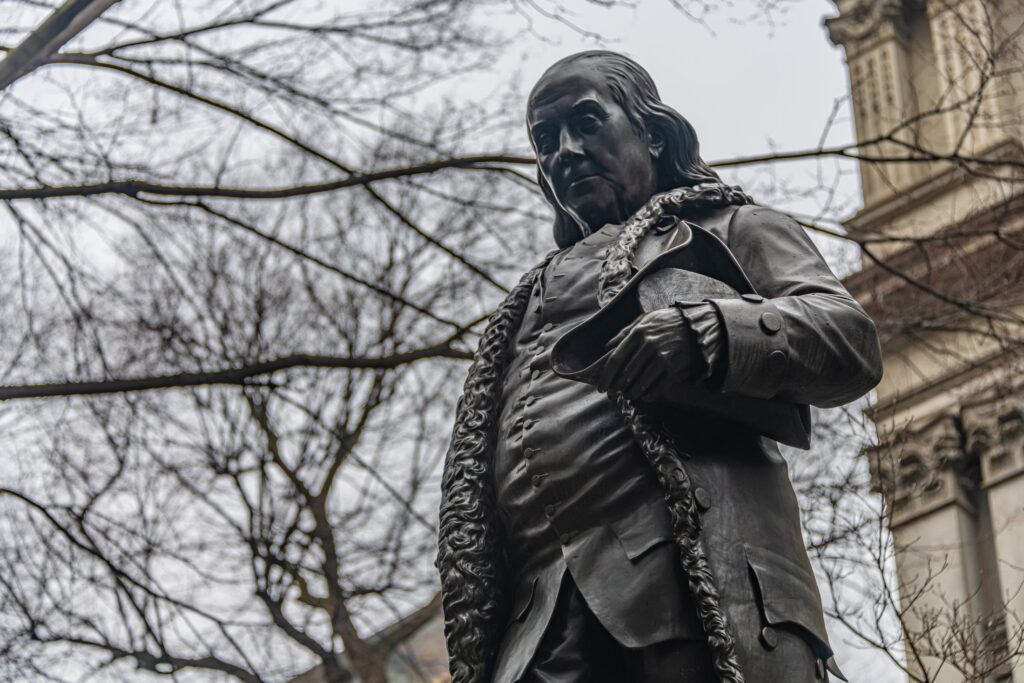
Benjamin Franklin left behind more than quotes. He left letters, civic plans, public arguments, an epitaph, a will, and written reflections about death and legacy. Most of us leave far less guidance for the people we love.
That thought feels especially fitting around Independence Day in Philadelphia. The Fourth of July asks us to think about freedom, responsibility, memory, and the documents that shaped a nation. For many families, it also creates a quiet chance to think about a more personal kind of document: the written wishes we leave behind for our own families.
End of life wishes Philadelphia families discuss today may spare loved ones from confusion later. A funeral plan does not need to feel cold or formal. At its best, it is a final act of care. It tells your family what matters to you, what kind of service you prefer, whom to call, where important records are kept, and how you want your life remembered.
John F. Fluehr & Sons has served Northeast Philadelphia families since 1898. Time after time, families share how much peace they feel when a loved one left clear instructions. They still grieve. They still miss the person. But they do not have to guess.
What Franklin Teaches Us About Legacy
Benjamin Franklin understood the power of written words. His life touched printing, newspapers, inventions, public service, diplomacy, science, civic life, and the American Revolution. He helped shape public documents and private reflections that still invite conversation centuries later.
One article connecting Franklin to the Fourth of July looks at his role in the Revolution, his work behind the scenes, his transformation from colonial negotiator to independence supporter, and his influence on the language and direction of the founding moment through Benjamin Franklin’s connection to the Fourth of July.
Franklin also thought about death with unusual honesty. He drafted an epitaph for himself as a young man. His final grave marker, according to his will, was simple: “Benjamin and Deborah Franklin.” His life reminds us that legacy is not only what people say about us after we die. It is also what we take time to write down before that moment arrives.
Why Independence Day Is a Natural Time to Start
Families often gather in summer. People sit on porches, attend block parties, host cookouts, visit relatives, watch fireworks, and spend long weekends together. These moments do not need to become heavy conversations, but they do create space for honest ones.
Independence Day is built around memory and documentation. The holiday exists because people put beliefs, commitments, and hopes into written form. Your own end of life wishes are more private, but they carry the same basic purpose: they give people direction when emotions are high.
A summer conversation might start gently. You do not need to announce every detail at dinner. You might say, “I have been thinking about getting my funeral wishes organized so none of you have to guess later.” That one sentence opens the door.
Many families avoid the topic because they fear it will upset people. In practice, the opposite often happens. Clear wishes reduce fear. They turn a difficult future moment into something your family knows how to handle.
Most Families Are Left Guessing
After a death, families often face questions they never expected to answer so quickly. Burial or cremation? A public service or private gathering? A religious ceremony or a celebration of life? Which cemetery? Which songs? Which clothes? Which photo for the obituary? Who should speak? What budget fits?
These choices may feel manageable in calm times. During grief, they feel larger. Family members may remember different conversations. One person may believe you wanted cremation. Another may remember you mentioning burial. Someone else may think you wanted a church service. These disagreements often come from love, not conflict. Everyone wants to honor you well.
Written wishes help settle those questions. They give loved ones a clear place to begin. They also make it easier for family members to support one another instead of debating details during the hardest week.
What End of Life Wishes Should Include
End of life wishes do not need to answer every possible question. Start with the major choices. A simple written plan is better than no plan.
Begin with your preference for burial, cremation, or another option. Then note what kind of gathering feels right. You might prefer a traditional funeral, Catholic Mass, graveside service, cremation with memorial gathering, celebration of life, private family service, or another type of remembrance.
Next, write down faith, cultural, military, or family traditions that matter. List preferred clergy, church, cemetery, charity, music, readings, flowers, clothing, photos, and any personal details you want included.
Also include practical information. Your full legal name, date and place of birth, Social Security number, parents’ names, marital status, veteran details, cemetery information, insurance contacts, and location of key documents all help your family act with less stress.
Fluehr’s preplanning checklist for funeral details, records, and family guidance gives families a clear way to organize these details before they are urgently needed.
Write Down the Story, Not Only the Logistics
A good plan includes more than facts. It also helps your family tell your story.
Think about what you want remembered. Your work. Your military service. Your faith. Your family role. Your neighborhood. Your hobbies. Your volunteer service. Your favorite places in Philadelphia. The lessons you tried to pass down. The music you loved. The sayings your family repeats.
These details help shape an obituary, eulogy, memory table, slideshow, or service program. They also help younger relatives understand who you were beyond one role. A grandchild might know you as Pop, but your written notes may show them the veteran, gardener, teacher, union worker, musician, coach, neighbor, or friend you were to others.
Legacy lives in details. Write some down while you still have the chance to choose them yourself.
Do Not Leave Everything in a Will
A will matters, but funeral instructions should not live only there. A will may not be read until after the funeral. A safe deposit box may not be easy to access right away. A loved one may know a document exists but not know where to find it.
Keep funeral wishes in a place your trusted family members know about. Share a copy with the person most likely to handle arrangements. Tell them where to find legal documents, veteran records, insurance policies, cemetery papers, and preplanning information.
You may also want to speak with an attorney about estate planning, medical directives, powers of attorney, and other legal documents. Funeral planning does not replace legal planning. It works alongside it.
The key is access. A plan that no one finds in time cannot give your family the comfort you intended.
Franklin’s Words Remind Us Why Writing Matters
Franklin’s words about life and death are still quoted because he took time to write and preserve them. The American Academy of Estate Planning Attorneys reflects on his sayings, his 1728 epitaph, his final grave marker, and his thoughtful comments on death through Benjamin Franklin’s words of wisdom on life and death.
Most people do not need to write like Franklin. Your family does not need a polished essay. They need your wishes in plain language.
Write the service you prefer. Write where you want important papers kept. Write the songs you love. Write the traditions that matter. Write the names of people who should be called. Write whether you want burial or cremation. Write what you want your children to know.
These notes may become a gift your family values more than you expect.
Talking With Family Without Making It Heavy
The first conversation does not need to cover everything. Start small and keep the tone calm.
You might say:
- “I want to write down my wishes so this is easier for you someday.”
- “I do not want anyone guessing about what I would have wanted.”
- “I am not trying to make this sad. I am trying to make it clear.”
- “This is one way I want to care for the family.”
- “I would like your input, but I also want my wishes documented.”
If your adult children feel uncomfortable, acknowledge it. Tell them you understand the topic is hard. Then explain that avoiding it does not protect them later. It only leaves them with more decisions during grief.
Summer often gives families natural openings: a long drive, a quiet morning, a visit after a cookout, or a slow conversation on the porch. Choose a moment with privacy and enough time to listen.
Price Protection and Financial Clarity
Documenting wishes is emotional care. It may also support financial clarity.
Families often feel stressed when no one knows what arrangements should cost or what funds are available. Preplanning gives you time to review service options, ask questions, and make choices before grief adds pressure.
Some plans may offer price protection for selected goods and services when arrangements are funded in advance, depending on the plan terms. This may help reduce the impact of future price increases. Even when a person does not prepay, documenting preferences helps loved ones understand what kind of service and budget you had in mind.
Fluehr’s guide to why planning ahead reduces stress and protects your wishes explains how preplanning may support personalization, financial flexibility, peace of mind, price protection, informed choices, and clear documentation.
What to Review Each Year
End of life planning is not something you finish forever and forget. Life changes. Families grow. Preferences shift. Health changes. Loved ones move. Churches close or change. Cemetery decisions evolve. A person who once preferred one type of service may feel differently later.
Use Independence Day, a birthday, or the start of summer as a yearly reminder to review your wishes. Check whether your contact person is still the right person. Confirm that your documents are easy to find. Review beneficiary information, insurance details, cemetery records, veteran paperwork, and funeral preferences.
A short annual review may prevent problems later. It also gives your family confidence that the plan reflects your current wishes.
Including Veterans, Faith, and Family Traditions
Northeast Philadelphia families often carry strong traditions. Catholic, Orthodox, Protestant, Jewish, Muslim, Buddhist, Hindu, secular, veteran, and multicultural families may all approach funeral planning differently. Some families want a religious service. Some want military honors. Some want cremation with a later memorial. Some want a graveside service. Some want a celebration of life with music, photos, and storytelling.
Write down what matters most to you. If you served in the military, note branch, rank, service dates, discharge paperwork, and whether military honors should be requested. If faith traditions matter, include the name of your church, clergy, prayers, readings, or customs. If family traditions matter, explain them.
A funeral director helps turn those wishes into a plan, but your written notes give the family a stronger starting point.
Planning Is Not Giving Up
Some people avoid preplanning because it feels like giving up. It is not. It is practical love.
You plan for emergencies, retirement, insurance, medical care, and family needs because you want people protected. Funeral planning belongs in that same category. It does not mean you expect death soon. It means you understand that someday your family will need guidance.
Planning ahead lets you speak while your voice is clear. It lets you choose while you have time. It lets you make decisions without forcing loved ones to piece together your wishes later.
That is not fear. That is care.
A Philadelphia Legacy Begins With a Conversation
Independence Day in Philadelphia reminds us that words placed on paper may guide generations. Your own written wishes may not shape a nation, but they may steady your family during one of the hardest weeks of their lives.
That is legacy too.
It is the spouse who knows which song to choose. The daughter who knows where the papers are. The son who knows burial was your preference. The grandchildren who see photos you selected. The family who gathers with less confusion because you gave them direction.
You do not need to document everything today. Start with one page. Write the main choices. Tell one trusted person where it is. Then keep going when you are ready.
What to Do This Summer
This summer, take one simple step. Print a checklist. Talk to your spouse. Ask your parents what they want. Tell your adult children where documents are kept. Call a funeral home and ask how preplanning works. Review your will with an attorney. Write down a favorite hymn, song, reading, or place that matters to you.
Small steps count. A clear note may become a deep comfort later.
John F. Fluehr & Sons helps families in Northeast Philadelphia talk through funeral wishes with care, patience, and no pressure. If you are ready to start documenting your wishes, call John F. Fluehr & Sons at (215) 624-5150.