Many families hold onto remains for years because they do not know what to do. This post is for them.
After cremation, families often receive the cremated remains in a temporary container or chosen urn, bring them home, place them somewhere safe, and promise themselves they will decide later. Later becomes next month. Next month becomes next year. Then five years pass, and the urn is still in a closet, bedroom, dining room cabinet, or on the mantel because no one knows what the next step should be.
That delay is more common than people think. It usually does not come from neglect. It comes from love, uncertainty, family disagreement, fear of making the wrong choice, or the emotional weight of deciding where a loved one should finally rest.
For Northeast Philly families, the decision may feel especially personal. Maybe your loved one walked Pennypack Park every morning. Maybe the Jersey Shore was their favorite place. Maybe they were a gardener, a veteran, a lifelong Eagles fan, a devoted grandparent, a person of faith, or someone who wanted something simple. The right choice should reflect who they were and what helps the family heal.
John F. Fluehr & Sons helps families think through these choices with care, patience, and respect. Cremation does not end the memorial process. In many ways, it opens more possibilities.
First, Give Yourself Permission to Take Time
Some families know immediately what they want to do with cremated remains. Others need time. Both are normal.
If the urn is at home while the family grieves, that may feel comforting. A spouse might need the remains nearby during the first months. Adult children may need time to gather from different states. Relatives may disagree about whether to scatter, bury, divide, or keep the remains together. Children may have questions. The family may want a ceremony later when emotions feel less raw.
You do not need to rush. But it helps to know that “not deciding” is still a kind of decision. Over time, cremated remains can be forgotten, misplaced, or passed to another generation without clear instructions. A thoughtful plan gives the loved one dignity and gives the family peace.
The Traditional Urn at Home
Keeping an urn at home is one of the most familiar options. It allows the family to keep a loved one close. For some, that closeness brings comfort. The urn might sit on a mantel, shelf, bedside table, prayer space, or in a quiet room with photos and flowers.
Urns come in many styles, materials, and sizes. Some are simple. Some are ornate. Some reflect faith, military service, nature, sports, music, or personal taste. Some families choose a display urn for the home and smaller keepsake urns for close relatives.
Keeping the urn at home works well for many families, but it is worth asking a few questions. Who will care for the urn in the future? What happens if the home is sold? What if the spouse dies? Do children know the family’s wishes? Is there a written plan?
If home placement brings peace, it can be a meaningful choice. Just make sure someone knows what should happen later.
Urn Burial in a Cemetery
Many families do not realize cremated remains can be buried in a cemetery. This option gives the loved one a permanent resting place and gives relatives a location to visit. It may be especially meaningful when a family already has a cemetery plot, family grave, or preferred cemetery.
Urn burial can happen in the ground, in a family plot, or in a dedicated cremation burial area. Some cemeteries have urn gardens designed specifically for cremated remains. These spaces may include markers, landscaping, benches, walking paths, and areas for reflection.
A cemetery resting place may help future generations too. Children, grandchildren, and distant relatives have a place to visit, place flowers, say prayers, and connect with family history.
Funeral Basics explains several permanent placement choices, including urn burial, columbarium placement, scattering, memorial trees, and sea related options in its guide to permanent placement options for cremated remains. The article also notes that families may keep remains close for a period of time and later choose a permanent resting place.
Columbarium Niches
A columbarium is a structure with individual spaces, called niches, where urns are placed. Some columbaria are indoors. Others are outdoors in cemetery gardens, mausoleums, churches, or memorial areas.
This option gives families the permanence of a cemetery without traditional ground burial. A niche may include a nameplate, dates, inscription, or small space for keepsakes depending on cemetery rules.
Columbarium placement can be a good fit for families who want a dignified, visitable place but prefer above ground memorialization. It may also suit families who want spouses or relatives placed near one another in the future.
Before choosing a niche, ask about size limits, urn requirements, inscriptions, flower rules, visiting hours, and whether family members may be placed together.
Scattering Ceremonies in Meaningful Places
Scattering cremated remains can be deeply personal. Some families choose a place connected to the loved one’s life: the ocean, mountains, a family property, a favorite park, or another meaningful setting.
For Northeast Philly families, places like Pennypack Creek, the Jersey Shore, the Poconos, or a family garden may come to mind. These locations carry memory. They hold walks, vacations, fishing trips, beach days, family photos, and quiet moments.
Before scattering, check the rules. Public land, parks, waterways, private property, cemeteries, and shoreline areas may have different requirements. Permission may be needed. Some locations may not allow scattering. A funeral director can help families think through practical, respectful, and lawful options.
A scattering ceremony can be simple. A few relatives gather, someone says a prayer or poem, music plays, a memory is shared, and the remains are released with care. Some families scatter all of the remains. Others scatter a portion and keep, bury, or place the rest elsewhere.
That choice matters. Once remains are scattered, they cannot be gathered again. Families should be emotionally ready for that finality.
Scattering Gardens
A scattering garden offers a more structured version of scattering. Many cemeteries have designated spaces where cremated remains may be released in a peaceful setting. Some include plaques, walls, benches, markers, landscaping, or record keeping.
This option works well for families who like the symbolism of returning remains to the earth but still want a recognized location. A scattering garden may also reduce worry about rules, access, or future memorialization.
Unlike scattering in an unmarked public place, a cemetery scattering garden may give relatives a place to visit. It also helps keep the loved one’s name connected to a permanent record.
Memorial Jewelry and Keepsakes
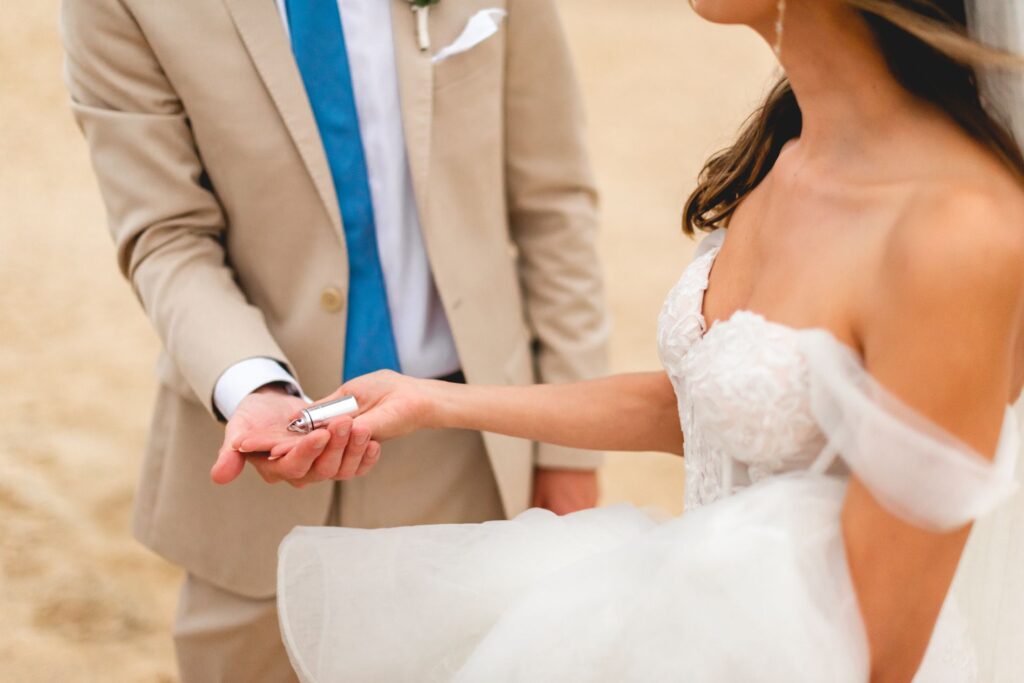
Some families want a small portion of the cremated remains kept close. Memorial jewelry makes that possible. A pendant, ring, bracelet, charm, or locket may hold a tiny amount of remains, a fingerprint, a photo, or an engraving.
This can be comforting for spouses, parents, children, grandchildren, or siblings who want a private connection. A daughter may wear a pendant with her mother’s remains. A grandson may keep a small keepsake urn on a desk. Siblings may each receive a small portion while the rest is buried or scattered.
Keepsake options extend beyond jewelry. Cremated remains may be incorporated into glass art, small sculptures, decorative urns, paintings, or other memorial pieces. Some families choose fingerprint jewelry, engraved stones, photo blankets, or memory boxes instead of using remains directly.
The Cremation Association of North America discusses the flexibility of cremation memorialization, including urns, cemetery placement, scattering, reefs, keepsake urns, jewelry, charms, glass, ceramics, paintings, and other creative memorial choices in its guide to cremation memorial options for families.
Tree Urns and Living Memorials
A tree urn or biodegradable urn can help create a living memorial. In many versions, the remains are placed in a specially designed urn with soil and a seedling or tree planting system. Over time, the tree becomes a place of remembrance.
This option may be meaningful for a gardener, nature lover, environmental advocate, or someone who found peace outdoors. For a Northeast Philly family, a living memorial might also connect to a yard, garden, family property, or approved memorial planting program.
Families should understand the practical details before choosing this option. Where will the tree be planted? Who owns the land? Who will care for it? What happens if the family moves? Are there local rules? Is the urn appropriate for the setting?
A living memorial can be beautiful, but it should be planned carefully so it remains a source of comfort rather than responsibility no one can manage.
Memorial Reefs and Ocean Tributes
For someone who loved the ocean, boating, fishing, marine life, or the Jersey Shore, a memorial reef may feel meaningful. Some companies combine cremated remains with reef material to create an artificial reef structure placed in the ocean. These memorials may support marine habitats while honoring the person’s connection to the sea.
This option is not local to every family and may require travel, specialized providers, and careful planning. Some families may instead choose a simpler ocean related tribute, such as a lawful scattering ceremony at sea or a Jersey Shore remembrance gathering without scattering.
The emotional connection matters most. A person who loved sitting by the waves may be honored through a beachside prayer, a family walk at sunrise, a shell keepsake, or a donation to a coastal cause. The remains do not always need to be placed in the ocean for the ocean to be part of the memorial.
Dividing Cremated Remains Among Family Members
Families sometimes choose to divide cremated remains. This can be helpful when loved ones live far apart or have different needs. One sibling may want a keepsake urn. Another may want jewelry. A spouse may keep the main urn at home. A portion may be buried or scattered later.
This choice should be handled thoughtfully. Not every family feels comfortable dividing remains. Some faith traditions or personal beliefs may discourage it. Family members should talk openly and respectfully before deciding.
When dividing is chosen, the funeral home can help transfer the remains with dignity into keepsake urns or other appropriate containers. Families should avoid trying to handle this process without guidance if they feel unsure or overwhelmed.
When Children and Teens Have Questions
Cremated remains can be confusing for children and teens. A young child may ask what is inside the urn. A teen may feel uncomfortable seeing it in the home. A grandchild may want to know why some remains are scattered and some are kept.
Use clear, age aware language. You might say, “After cremation, these are the cremated remains of Grandpop’s body. We are deciding where to place them in a way that honors him.” Avoid vague language that makes the urn seem frightening or mysterious.
Children may want to help choose flowers, draw a picture, place a photo near the urn, collect shells for a shore ceremony, or write a note. Teens may want privacy, but they should still be invited into the conversation when appropriate.
Fluehr’s guidance for supporting children and teens through grief encourages honesty, patience, creative expression, routine, and remembrance. Those same principles help when families are deciding what to do with cremated remains.
When Family Members Disagree
Decisions about cremated remains can bring up strong feelings. One person may want burial. Another may want scattering. Someone may want the urn at home. Someone else may feel uncomfortable with that. These disagreements are often grief speaking through different needs.
Start by asking what each person is trying to protect. Is it the loved one’s wish? A religious belief? A need for a place to visit? A fear of letting go? A desire to keep the person close?
Once the deeper need is named, compromise may become easier. A portion of the remains may be placed in a cemetery while a small amount is kept in jewelry. A scattering ceremony may happen at the shore, while a plaque or bench provides a permanent place to visit. The urn may stay at home for one year, then move to a cemetery niche.
The goal is not for everyone to win an argument. The goal is to honor the loved one and help the family heal.
Why a Permanent Memorial Matters
A permanent memorial gives memory a location. It might be a cemetery marker, columbarium niche, memorial tree, scattering garden plaque, bench, engraved stone, or family record. It tells future generations where to go, whom to remember, and how this person belongs to the family story.
This matters because grief changes over time. In the first months, keeping remains at home might feel right. Years later, the family may want a place to visit. Grandchildren may ask questions. Relatives may move. Homes may be sold. A permanent plan protects the loved one’s dignity beyond the first generation of grief.
Not every memorial requires all of the remains to be placed there. A family can establish a marker, plaque, or memorial space even if some remains are kept or scattered elsewhere.
Questions to Ask Before Deciding
Before choosing what to do, ask a few grounding questions:
- Did our loved one leave written wishes?
- Do faith, culture, or family traditions guide this choice?
- Do we want a permanent place to visit?
- Would scattering bring peace or feel too final?
- Should close relatives have keepsakes?
- Will children or teens need help understanding the plan?
- Are there legal, cemetery, property, or travel rules to consider?
- Who will be responsible for the urn if it stays at home?
These questions do not make the decision easy, but they make it clearer.
Grief Continues After the Decision
Choosing what happens to cremated remains can bring comfort, but it may also reopen grief. A scattering ceremony, urn burial, or placement in a niche can feel like another goodbye. Some family members feel relief. Others feel sadness. Many feel both.
Give yourself room for that. Plan a quiet day afterward if possible. Share a meal. Tell stories. Keep a photo nearby. Let children ask questions. Let adults cry. Let the moment be meaningful without expecting it to be painless.
Fluehr’s grief support resource for caring for yourself and others after loss reminds families that grief affects the mind, body, and spirit, and that healing often includes remembrance, patience, support, and care over time.
Finding the Option That Fits Their Life
The right choice for cremated remains should feel connected to the person and supportive for the family.
A gardener may belong in a living memorial. A shore lover may be honored through an ocean ceremony or beachside remembrance. A person of faith may belong in a cemetery with a marker. A private person may have wanted something quiet. A family centered grandparent may feel best remembered in a place where children and grandchildren can visit.
There is no single correct answer. There is only the answer that honors your loved one with dignity and helps your family carry grief in a healthier way.
At John F. Fluehr & Sons, families are not expected to have every answer right away. The team helps Northeast Philadelphia families consider the options, understand the emotional weight of each choice, and create a plan that feels personal, respectful, and healing.
Many families hold onto remains because they do not know what to do. You are allowed to begin with questions. You are allowed to take time. You are allowed to choose a path that reflects the person you loved.
The team at John F. Fluehr & Sons is here for your whole family, including its youngest members. Call us at (215) 624-5150.