
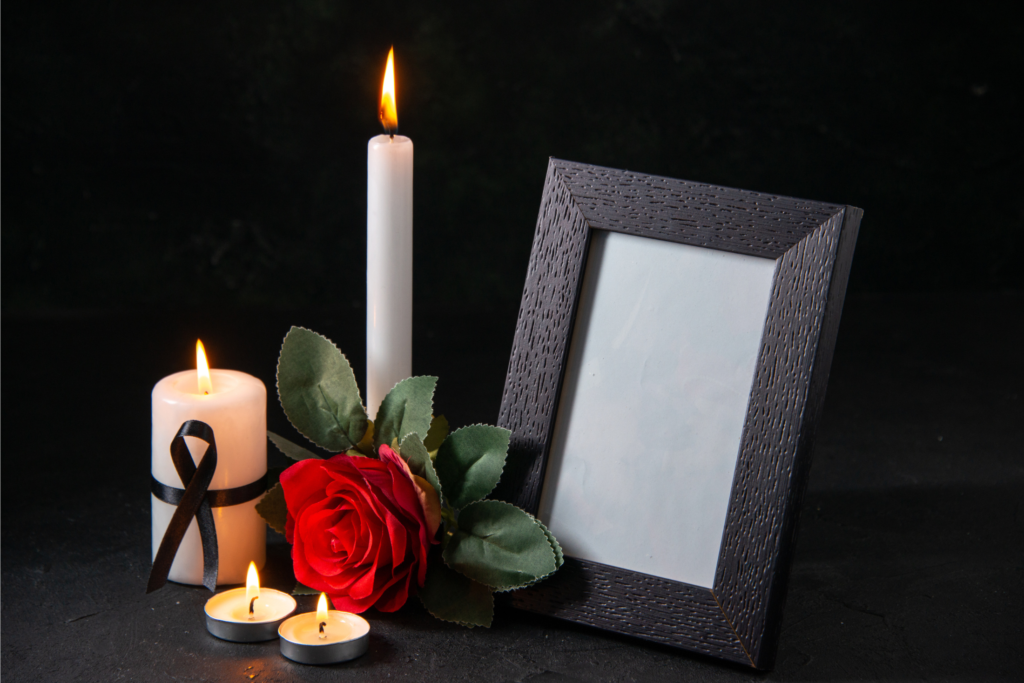
The day of the service matters. It brings people together. It creates a place for tears, stories, prayer, and support. It helps families begin the hard work of saying goodbye.
Still, anyone who has lived through loss knows one truth quickly. Grief does not end when the service does.
In many ways, the days and months after a funeral feel even quieter. The flowers fade. Friends return to work. The house settles. The routines shift. Then memory begins to do its own work. You hear a song. You pass a favorite restaurant. You reach for the phone before remembering there will be no answer. This is often when families start asking a different question, not how do we say goodbye, but how do we keep remembering well?
That question matters in every community. It feels especially personal in Northeast Philadelphia, where family ties run deep and memory often lives in neighborhoods, parishes, holiday tables, and familiar streets. People here do not only remember loved ones in private. They remember them in stories told over dinner, in yearly traditions, in church pews, in little acts of kindness, and in places the family keeps returning to.
There is no single right way to honor someone after the service. Some families want something public and visible. Others want something quiet and personal. Some choose one lasting tribute. Others build small rituals over time. The goal is not to perform grief the right way. The goal is to find forms of remembrance that feel honest, comforting, and sustainable.
That is why lasting memorial practices matter so much. They give love somewhere to go.
Why Ongoing Remembrance Matters
Many people feel pressure to “move on” too fast after a loss. Real grief does not work that way. Love leaves traces, and healthy remembrance often gives those traces shape. Instead of trying to shut memory down, ongoing acts of honor let families stay connected in meaningful ways.
This does not mean living in the past. It means carrying someone forward with intention. Memory can become part of daily life without taking over daily life. A person can be gone and still remain present in family stories, values, traditions, and choices.
That is one reason memorial ideas resonate so strongly. They create a bridge between the service and the years that follow. They let remembrance keep growing.
Plant a Memorial Tree That Keeps Growing
One of the most lasting ways to honor a loved one is also one of the simplest. Plant something living.
A memorial tree gives families a place, a symbol, and a rhythm. You watch it grow through seasons. You see it in spring, summer, fall, and winter. Over time, it becomes more than a tree. It becomes a marker of ongoing love, a quiet witness to birthdays, anniversaries, and ordinary days when memory returns without warning.
This kind of tribute resonates with many families because it feels gentle and lasting. It is not only symbolic. It also gives something back. A tree adds beauty, shade, and life to the world while carrying someone’s memory forward. Outside guides on creative ways to honor a loved one over time and lasting memorial ideas like plaques, trees, and annual rituals both point to tree planting as a meaningful way to create a tribute that keeps living and changing with the years.
For families who want a memorial with a natural feel, this option often brings comfort because it does not ask much once it begins. You plant. You tend. You return. The act of caring for something living becomes part of the remembrance itself.
At Fluehr, families already have a direct way to plant memorial trees in honor of a loved one. That offering fits this kind of remembrance well because it takes something full of feeling and gives it a clear, lasting form.
Use Digital Obituaries as Living Memorial Pages
For many families, one of the hardest parts of loss is the fear that stories will fade. A digital obituary helps answer that fear in a practical and meaningful way.
Years ago, an obituary often appeared in print and then disappeared into a drawer, a scrapbook, or memory. Today, online memorial pages give families a place to keep more than dates and service information. They create space for photos, written tributes, shared stories, and messages from friends and relatives who may live far away.
This matters more than people first realize. Digital remembrance allows memory to keep gathering. A cousin can add a story months later. A friend can return on an anniversary and leave a note. A grandchild can read comments years from now and learn how a loved one affected other people. The memorial page becomes less like a notice and more like a shared archive of love.
Fluehr’s site says families can visit memorial pages to share stories, photos, and heartfelt memories, and that these tributes are preserved for generations. That makes online obituary pages where families can share stories, photos, and memories more than a formal record. They become part of how a family keeps telling the story.
For Northeast Philadelphia families, this can be especially meaningful. Local roots run deep, and extended family networks often stretch across the city, the suburbs, and beyond. A digital obituary gives everyone a common place to gather, remember, and revisit.
Create Annual Rituals That Keep the Memory Close
Some of the most meaningful tributes are small and repeated. They return each year, each season, or each important date, and in doing so they tell the family, “We still remember.”
An annual ritual does not need to be elaborate. In fact, simple rituals often last longest. A family may cook a loved one’s favorite meal every birthday. They may gather for coffee after Mass on the anniversary of a parent’s death. They may light a candle every Christmas Eve. They may take the same walk each fall, visit the cemetery every Memorial Day, or raise a toast at a family dinner once a year.
These acts matter because grief often needs rhythm. A yearly ritual creates a place for memory to land. It keeps remembrance from becoming accidental only. It says the person still belongs in the family’s calendar, not only in private thought.
Outside memorial guides suggest ideas such as annual get togethers, memory walks, annual dinners, and yearly moments of prayer or candle lighting. Those ideas work because they are repeatable. A ritual does not have to solve grief. It only needs to hold space for memory in a way people can return to.
For many families, these yearly traditions become some of the healthiest forms of remembrance because they do not rely on a burst of energy in the early weeks of loss. They can grow slowly. They can adapt. They can stay gentle.
Give in Their Name
Charitable giving remains one of the most meaningful ways to carry someone’s values forward. It turns memory into service.
If your loved one cared deeply about veterans, cancer research, church outreach, animal rescue, schools, addiction recovery, food insecurity, or another cause, giving in their name can feel deeply right. The gift does not need to be large. What matters most is the connection between the person and the cause.
Some families make one memorial donation in the first weeks after a loss. Others create an annual pattern of giving. Some support a nonprofit on a birthday each year. Some sponsor a scholarship. Some volunteer as a family. Some organize a fundraiser or community drive in a loved one’s name. These acts often help grief feel active instead of only inward.
The outside sources you shared both point toward charitable action as a strong form of remembrance, including donating to a loved one’s favorite organization, fundraising for a cause they cared about, or giving back through service.
This kind of tribute also helps younger family members take part in remembrance. Children and grandchildren often understand memory best through action. Packing food boxes, helping at a fundraiser, or making a yearly donation can become a family habit that keeps a loved one’s values in motion.
Make Space for Memory in the Home
Not every tribute needs to be public. Some of the most powerful ways to remember someone happen at home.
A framed photograph in a hallway. A recipe card in a kitchen drawer. A handwritten note saved in a box. A quilt made from shirts. A shelf with keepsakes that carry a story. A playlist for evenings when memory feels close. These are quiet memorials, yet they can be deeply grounding.
The key is intention. A home tribute works best when it feels comforting rather than heavy. It should invite memory, not trap a family in sorrow. That may mean one visible item in a shared room, or it may mean a more private place where someone can sit, reflect, and feel connected.
Some families create a memory jar where relatives add notes, favorite sayings, or small recollections over time. Others keep a guest book from the service and return to it on anniversaries. Some preserve voicemail recordings, recipe books, or holiday ornaments. These objects matter because they anchor memory in the everyday life of the home.
Honor Them Through Shared Stories
One of the most overlooked memorial practices is also one of the most important. Keep talking about them.
Say their name at dinner. Tell the funny story again. Mention the lesson they taught you. Remind the younger generation what kind of person they were. Memory stays alive when it keeps moving through language.
Many grieving people worry others will stop saying the name of the person who died because they do not want to bring up pain. In truth, silence often hurts more. Stories keep the relationship alive in a healthy way. They remind a family that grief and gratitude can live side by side.
This is where digital memorial pages and family rituals work so well together. One preserves memory in writing. The other keeps it alive in conversation. Together, they create a fuller picture of the person who is missed.
Choose a Tribute That Fits the Person, Not a Trend
When families look for memorial ideas, it is easy to feel pressure to do something large or creative. The better question is simpler. What would feel true to this person?
If they loved gardening, a tree or memorial planting may feel right. If they cared about service, volunteering or charitable giving may fit best. If they were the center of every family meal, an annual dinner may carry more meaning than any public marker. If they loved writing, music, sports, or church life, the tribute can grow from there.
The best memorials are not always the most visible. They are the ones that keep the person’s spirit close in a way the family can sustain.
This matters because grief changes over time. A tribute that feels perfect in the first month may feel too heavy in the third year. Another simple practice may become more meaningful as time passes. Families should feel free to let remembrance evolve.
How Fluehr’s Memorial Offerings Fit Into Long Term Remembrance
One of the strongest things a funeral home can do is help families see that remembrance does not end at the service. It continues through the memorial choices that stay with them afterward.
Fluehr’s memorial tree offering gives families a living tribute they can return to. Its memorial pages give families a digital place for stories, photos, and shared reflections that can remain available across generations. Those two offerings matter because they support remembrance in two different ways. One is rooted in nature and place. The other is rooted in story and connection.
Together, they speak to what many grieving families need most after the service: a way to keep loving, remembering, and honoring someone without feeling like they have to hold every memory alone.
Memory Does Not End With the Funeral
The service is important. It marks a moment. It gathers people. It helps begin the work of grief. Yet love does not end there, and remembrance does not need to end there either.
A tree can grow. An obituary page can keep gathering stories. A yearly dinner can become tradition. A donation can carry a person’s values forward. A quiet candle can still matter years later. These acts do not erase loss. They give loss companionship. They turn memory into something living.
For families in Northeast Philadelphia, where so much of life is tied to family, place, and tradition, these forms of remembrance often become part of the story itself. Not only how someone died, but how they keep being honored, named, and loved.
That is the deeper truth behind all memorial ideas. They are not about holding on too tightly. They are about refusing to let a meaningful life shrink into one day on the calendar. They make room for memory to stay part of the family, year after year.