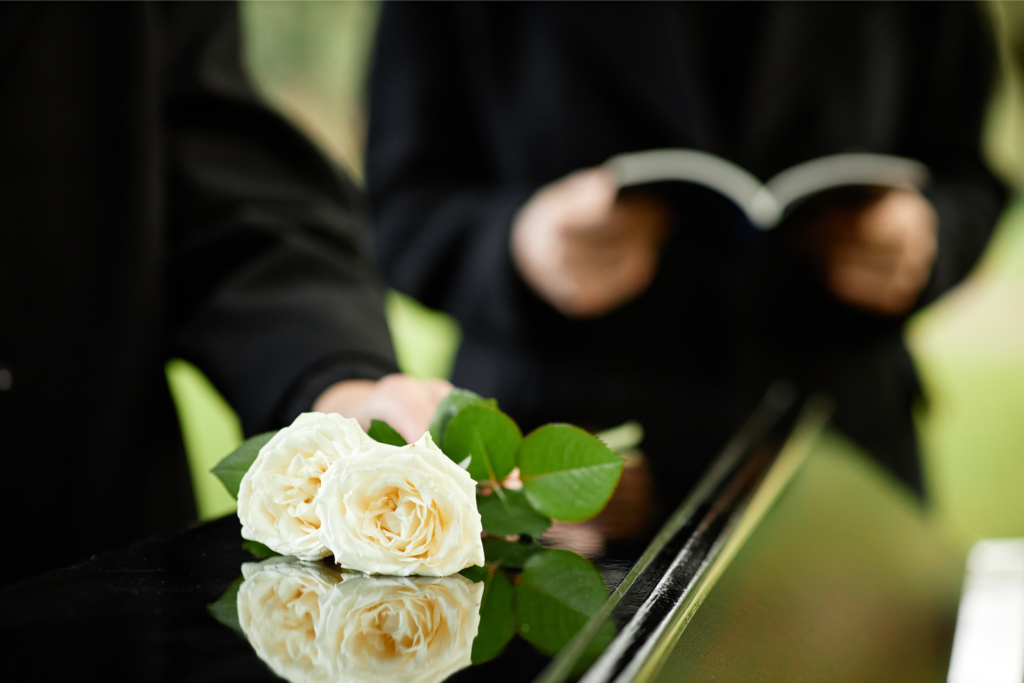
Philadelphia is a city of neighborhoods, and each neighborhood carries its own traditions, languages, places of worship, and family customs. In one family, a funeral may center on a Catholic Mass and cemetery procession. In another, it may require rapid burial, specific prayers, clergy coordination, and strict handling traditions. In another, the family may want a quiet memorial with music, stories, and no formal religious service at all.
That is why an inclusive funeral home Philadelphia families trust needs to offer more than a building and a schedule. It needs to listen well. It needs to understand that faith and culture shape what mourning looks like. It needs to honor what matters to the family without forcing every service into one model.
At John F. Fluehr & Sons, families can turn to funeral and cremation services in Philadelphia designed around family traditions and preferences. The funeral home’s services overview explains that Fluehr provides traditional funerals, graveside services, cremation, memorial services, clear pricing, help with paperwork and benefits, and support from the first call through aftercare. That kind of flexibility matters because no two families walk in carrying the same needs.
For some households, the first question is practical. How soon can the service happen. For others, it is spiritual. Which prayers or rituals should be included. For others, it is relational. How do we gather relatives from different faith backgrounds and still honor the person well. A multi-faith funeral home Philadelphia families can rely on should be ready for all of those questions.
Why Inclusive Funeral Care Matters
When a loved one dies, families are often making decisions while tired, grieving, and overwhelmed. If faith traditions are also involved, the process can feel even more urgent. Certain religions have specific customs around burial, prayer, washing, timing, clergy, music, cremation, or who should take part in the service. Some families want very formal religious rites. Some want a blend of faith tradition and personal remembrance. Some want a service that respects spiritual values while remaining fully non denominational.
What families need in that moment is not pressure. They need guidance that starts with respect.
That respect begins with listening. It means asking the family what is important. It means understanding that ritual is not a decorative extra. For many people, it is the heart of the farewell. It also means recognizing that families are not all the same even within one faith community. One Catholic family may want a church centered service. Another may want a simple blessing and graveside prayer. One Buddhist family may want chanting and incense. Another may want a quieter memorial. One Jewish family may want a very traditional path. Another may need help balancing family expectations across several levels of observance.
That kind of individualized care reflects the broader point made in this guide to culturally competent care around death and dying, which explains that end of life care should be individualized and respectful of each patient’s culture, religion, and family tradition.
Catholic, Orthodox, and Protestant Families
For many Philadelphia families, Christian traditions remain central to funeral life. Catholic, Orthodox, and Protestant services often include clergy leadership, Scripture, prayer, music, visitation, and burial rites, though the form can vary widely.
Catholic families may want a viewing, a Funeral Mass, and a cemetery committal. Orthodox families may need close coordination with clergy, church rites, burial customs, and memorial prayers that continue after the funeral day. Protestant families may prefer a church service, a chapel service, or a graveside prayer led by a pastor. Some families want a highly structured liturgy. Others want something simpler, though still grounded in faith.
What unites many Christian families is the desire for reverence, clear order, and a service that reflects both belief and community. A funeral home all religions Philadelphia families use should be able to work comfortably with churches, pastors, priests, deacons, and family expectations without making the process feel rushed or impersonal.
In a city as rooted in parish and church life as Philadelphia, this kind of coordination matters a great deal. Families often need help aligning service time, clergy availability, procession plans, cemetery timing, and transportation while still keeping the day spiritually centered.
Serving Muslim Families With Respect and Urgency
Muslim funeral traditions often place strong emphasis on dignity, promptness, prayer, and clear religious practice. Families may need to move quickly after a death. They may also need specific handling customs respected from the start. For many Muslim families, coordination with religious leaders and prompt burial arrangements matter a great deal.
This is one place where an inclusive funeral home proves its value in a practical way. It needs to understand that some decisions cannot wait. It needs to understand that certain customs are not optional from the family’s point of view. It also needs to help relatives and friends move through the process in a way that supports faith and family at the same time.
That does not mean every Muslim family wants the exact same service. Religious observance, local custom, and family background all shape the final plan. What matters most is that the funeral home begins with respect and asks the right questions early.
Serving Jewish Families With Sensitivity
Jewish funeral customs also often place great importance on dignity, timing, and tradition. In many Jewish families, burial is strongly preferred and takes place as promptly as possible. Certain practices around the body, casket, viewing, and religious service may differ from what non Jewish families expect.
As a Jewish funeral home Northeast Philadelphia families might search for often needs to understand both the religious and practical sides of the process. Families may want rabbis involved immediately. They may want simple burial arrangements. They may need the service coordinated in a way that reflects both faith tradition and the realities of local cemetery timing.
For some households, the funeral service is highly traditional. For others, there may be a more blended approach depending on family background, synagogue connection, and level of observance. The right funeral home approach stays flexible while still treating the family’s customs as central, not secondary.
Buddhist and Hindu Funeral Traditions
Buddhist funeral services Philadelphia families seek may center on prayer, chanting, incense, meditation, or quiet ceremonial acts shaped by temple practice and family custom. Hindu funeral services Philadelphia families need may involve prayer, ritual observances, cremation based traditions, and family roles that are deeply meaningful. In both cases, the funeral often carries a spiritual framework that differs from more familiar Christian funeral models.
What matters in these settings is not whether the service looks familiar to outsiders. It is whether it reflects the family’s faith and the person’s life with respect.
This is where a funeral home needs humility as much as experience. It must be comfortable working with clergy, temple leaders, spiritual guides, and family elders. It must understand that some customs may carry major significance even if they appear small from the outside. Placement of the body, timing of the service, who leads prayers, the role of incense or chanting, and the choice between burial and cremation can all matter in very specific ways.
Families should never feel they need to simplify or erase those traditions in order to receive good care. The point of inclusive funeral service is the opposite. It makes room for what is most meaningful.
Non Religious and Non Denominational Families
Not every family wants a service shaped by formal religion. Some people identify as spiritual but not religious. Some have mixed faith households. Some want a memorial or celebration of life that focuses on personality, stories, music, values, and relationships rather than clergy or liturgy. Others want a simple farewell with no denominational structure at all.
A non denominational funeral Philadelphia families choose can still be deeply meaningful. It may include readings, reflections, favorite music, family speakers, military honors, personal objects, photo displays, or a quiet moment of remembrance. Some families want warmth and simplicity. Others want a fully personalized celebration of life. Some want a memorial service after cremation. Others want a graveside service with only a few close relatives and a short reflection.
These services matter because many modern families include several faith backgrounds at once, or no formal religious background at all. The best funeral care does not treat that as a problem to solve. It treats it as the family’s reality and builds from there.
How Multi-Faith Families Make Decisions Together
One of the most common situations funeral homes see today is the multi-faith family. A Catholic mother may be married to a Protestant father. Children may be less observant than grandparents. One sibling may want a church service while another wants something more personal. A family may have Jewish roots, Catholic in laws, and non-religious adult children all in one room.
These situations do not need to create conflict, but they do require thoughtful guidance.
A multi-faith funeral home Philadelphia families trust should help them find common ground without flattening important beliefs. In some cases, that means a clergy led service with room for personal reflections. In others, it means a memorial gathering that includes a prayer, a reading, and family stories. In still others, it may mean one small religious rite followed by a broader public gathering where everyone feels able to participate.
Good funeral planning in these moments is not about choosing one side over another. It is about listening for what matters most and finding a respectful path forward.
The Importance of Asking, Not Assuming
One of the strongest lessons in inclusive funeral service is simple: ask, do not assume.
Two families from the same faith may want very different things. Two families from the same neighborhood may carry different customs. A person who identified culturally with a religion may not have wanted a highly formal service. Another who seemed less observant may have cared deeply about one specific rite or prayer.
That is why broad guides like this overview of funeral traditions across many religions are useful as starting points, not as final answers. The page itself notes that these are broad summaries and that local clergy should be consulted with specific questions. That is exactly the right approach. General knowledge helps. Careful listening matters even more.
Families need room to explain what is important. They need a funeral home that knows how to hear those priorities clearly and act on them with care.
How Fluehr Serves Families Across Faith Traditions
John F. Fluehr & Sons serves a community shaped by many religions, cultures, and family histories. That local reality matters. A funeral home in Philadelphia does not serve one kind of household. It serves Catholics, Orthodox Christians, Protestants, Muslims, Buddhists, Hindus, Jews, and families with no formal religious identity at all. It serves people whose services happen in churches, temples, mosques, synagogues, cemeteries, funeral home chapels, homes, and community gathering spaces.
Fluehr’s service overview reflects that breadth by offering traditional funerals, graveside services, cremation, memorial services, customized planning, and help with both paperwork and logistics. That flexibility allows the funeral home to meet families where they are instead of pushing them toward one default format.
When families need immediate support or want to start a planning conversation, they can reach out through John F. Fluehr & Sons on Cottman Avenue for direct family support. The funeral home lists its address at 3301 Cottman Avenue, Philadelphia, and may be reached at (215) 624-5150.
Inclusion Is Not a Slogan, It Is a Practice
It is easy for a funeral home to say it serves everyone. It is harder and more meaningful to prove it in the way it listens, plans, and carries out a service.
Inclusion in funeral care means understanding that a family’s beliefs are not secondary details. They shape the entire tone of the farewell. It means allowing room for clergy, prayer, ritual washing, incense, Scripture, chanting, silence, cremation customs, burial customs, food traditions, memorial observances, and non religious choices with equal respect. It means recognizing that grief is already hard enough without asking families to defend what matters to them.
For many Philadelphia families, that kind of care is not a preference. It is the standard they hope for on one of the hardest days of life.
A Welcome That Meets Families Where They Are
In a city as varied and deeply rooted as Philadelphia, the strongest funeral care begins with one truth: every family deserves respect. Not later, after they explain themselves enough. At the very beginning.
Whatever your faith or tradition, you are welcome at John F. Fluehr & Sons. Call us at (215) 624-5150 and tell us what matters most to your family, we will honor it.