When a family begins funeral planning, one of the first decisions that often comes up is whether to choose cremation or traditional burial. For many people in Philadelphia, this choice carries both practical and emotional weight. It touches family tradition, faith, budget, timing, and the kind of remembrance that feels right.
There is no single best choice for every family. What feels right for one household may not feel right for another. Some families want the permanence of a cemetery space and the structure of a traditional funeral. Others value the flexibility of cremation and the ability to plan a memorial in a way that fits their schedule, beliefs, and budget. The goal is not to feel pushed in one direction. The goal is to understand your options clearly.
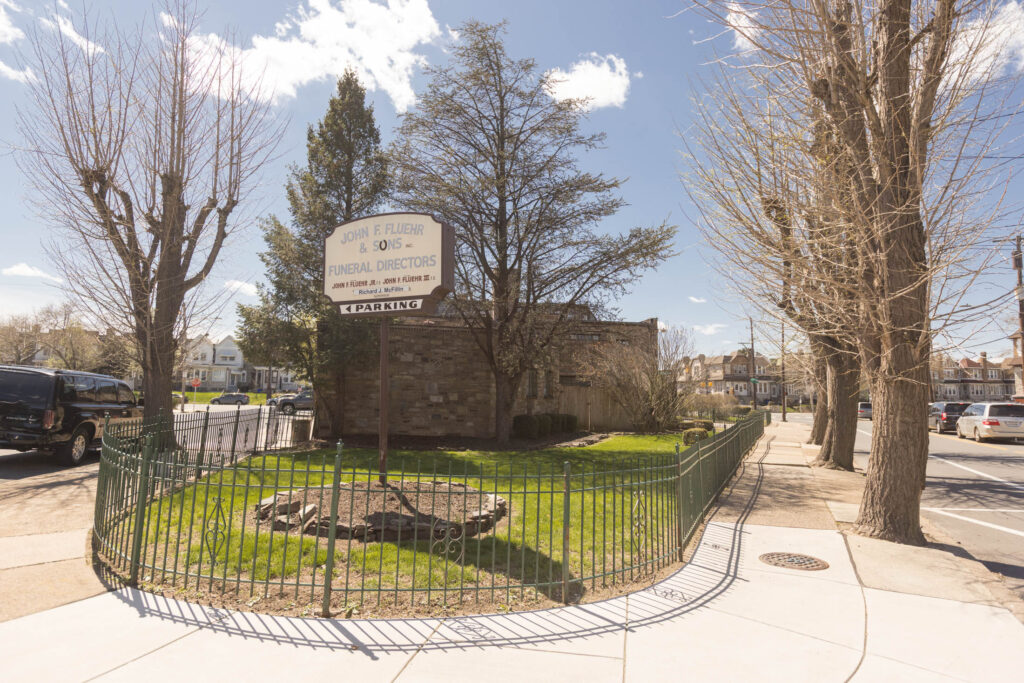
At John F. Fluehr & Sons, families have access to funeral and cremation services in Philadelphia that are built around dignity, clarity, and personal choice. That matters because this decision is rarely only about cost or logistics. It is also about how you want to honor a life, support your family, and move through a difficult moment with confidence.
This guide offers a calm, neutral overview of cremation and traditional burial, with a focus on what Philadelphia families often consider most: cost, process, religious concerns, environmental options, and the emotional experience of each path.
Why This Choice Feels So Personal
Cremation and burial both serve the same purpose at the highest level. Each gives a family a way to care for a loved one after death and create space for remembrance. Yet the experience of those choices can feel quite different.
Traditional burial often feels familiar. Many people grew up attending funeral services in a church or funeral home, followed by a cemetery committal. That pattern gives structure to grief. It creates a clear sequence of events and a permanent place to visit later. For families with strong cultural or religious traditions, burial may feel like the most natural option.
Cremation often appeals to families who want more flexibility. Some want time to plan a memorial later, after relatives can travel. Some prefer a simpler arrangement. Some feel cremation aligns better with budget realities. Others like the range of memorial options available after cremation, including burial of cremated remains, placement in a niche, keeping an urn at home, or scattering in a meaningful setting where permitted.
These are not competing values. They are different ways of honoring the same person.
What Traditional Burial Usually Involves
Traditional burial often includes several connected steps. The body is brought into the care of the funeral home. The family meets with the funeral director to make arrangements. If the family chooses embalming, viewing, visitation, or an open casket service, those preparations are made before the ceremony. A funeral or memorial service may take place at the funeral home, a church, or another location. After the service, the body is taken to the cemetery for burial.
Many families choose burial because the process feels grounded and familiar. It creates a clear moment for gathering, prayer, ritual, and final committal. There is often comfort in having a graveside place to return to over time.
Burial also comes with more moving parts. Families often need to coordinate the funeral home, the cemetery, clergy or celebrant, service timing, transportation, and merchandise such as the casket or vault if required. In some situations, families feel comforted by this structure. In others, it can feel like a lot to manage while grieving.
What Cremation Usually Involves
Cremation begins with the same first step as burial. The funeral home brings your loved one into its care and guides the family through the arrangement process. From there, the path can vary. Some families choose a full funeral or visitation before cremation. Others choose a direct cremation, followed by a memorial service later. Still others plan a private family gathering after cremation, with no formal public ceremony.
One of the main reasons families consider cremation is flexibility. A service does not always need to happen within a few days. If loved ones live in different states or if the family needs time to plan something more personal, cremation often creates more room in the schedule. This flexibility is one reason many guides on pros and cons of cremation and burial note that cremation gives families more time to decide how they want to hold a memorial.
Cremation also allows for different forms of memorialization. Some families choose a burial of the urn in a cemetery. Some place the urn in a columbarium. Some keep the remains in the home. Some scatter in a meaningful location, following local rules and family wishes. In other words, cremation changes the timeline and the physical form of memorialization, but it does not remove the need or the opportunity for remembrance.
Cost Differences Between Cremation and Burial
For many families, cost is a real part of the conversation. It does not define the decision, but it matters.
In general, traditional burial tends to cost more than cremation. That is usually because burial can include more elements, such as a casket, cemetery property, opening and closing fees, a burial vault in many cemeteries, embalming in some cases, hearse transportation, and a more time sensitive schedule. When those pieces are added together, the total often rises.
Cremation is often less expensive, especially if the family chooses direct cremation without a public viewing. Even so, cremation costs still vary. The final amount depends on whether the family chooses a formal service, a rental casket for viewing, an urn, cemetery placement, or other memorial details. A cremation with a large public ceremony can still become a significant expense. A burial planned simply can sometimes cost less than people expect.
This is why families benefit from clear pricing and direct conversations about options. The difference is not only cremation versus burial. It is also simple versus elaborate, immediate versus planned ahead, and funeral merchandise versus memorial choices made over time. Fluehr’s planning resources explain why planning ahead can ease family stress, which is often important when families want more time to compare options without pressure.
Timing and Decision Making
Another key difference is timing.
Traditional burial often works on a tighter schedule. Families usually need to choose a cemetery, service date, casket, and related details fairly soon. For some people, that pace is helpful because it creates a defined path. For others, it feels difficult, especially when relatives need to travel or family members need more time to agree.
Cremation often offers a more flexible timeline. A family may choose cremation first, then decide later whether to hold a memorial right away or wait until a date that allows more people to attend. That flexibility is one of the main reasons some families lean toward cremation, especially in a large region like Philadelphia where loved ones may be spread across the city, surrounding suburbs, or out of state.
Still, flexibility is not always the top priority. Some families want the sense of completion that comes with a burial service and cemetery gathering. They do not want to revisit planning weeks later. In that case, burial may feel more emotionally grounding.
Religious and Cultural Considerations
Faith and family tradition often shape this decision as much as cost or timing.
Some religious traditions have long preferred burial and still treat it as the customary choice. In some families, burial feels tied to identity, ancestry, and ritual continuity. The presence of a cemetery grave, headstone, or family plot may matter deeply. In other traditions, cremation is permitted and increasingly accepted, especially when families want flexibility or simplicity.
Even within the same faith community, personal views can differ. One generation may strongly prefer burial. Another may feel open to cremation with a memorial service. In Philadelphia, where many families carry deep Catholic, Protestant, Jewish, Orthodox, Muslim, or other cultural traditions, these questions are often best discussed early and with care.
A funeral home can explain service options, but families should also speak with their clergy or spiritual advisors when religious guidance is important. Outside resources comparing burial and cremation choices often stress that this decision should reflect both practical realities and personal or spiritual beliefs. That is especially true when more than one generation is involved in the discussion.
Environmental Options and Concerns
Environmental concerns are becoming a more common part of funeral planning. Families who care about sustainability often ask whether cremation or burial is the more environmentally responsible choice. The answer is not always simple.
Cremation uses heat and energy, which creates emissions. Traditional burial uses land and often includes materials such as hardwood, metal, concrete, and embalming chemicals, depending on the arrangements chosen. So while cremation may reduce land use, burial may feel more natural to some families if they choose simpler materials and a lower impact approach.
For people who want a smaller environmental footprint, there are often middle ground options. Some families choose a burial with fewer materials and no elaborate merchandise. Others ask about green burial practices where available, including biodegradable containers and less invasive cemetery methods. Some choose cremation, then select a biodegradable urn or a memorial option that keeps the process simple.
The most useful approach is to look past broad assumptions. Environmental impact depends on the exact choices a family makes. A simple burial and a simple cremation will each look different from more elaborate versions of either.
How Memorialization Differs
One practical question many families ask is this: where will we go later if we want a place to visit?
Traditional burial answers that clearly. There is a grave, a marker, and a cemetery location. For many people, this physical place matters. It becomes part of family ritual on birthdays, anniversaries, religious holidays, or quiet personal visits.
Cremation offers more variety, though that variety can feel freeing or difficult depending on the family. If cremated remains are buried or placed in a niche, there is still a physical destination for remembrance. If the urn is kept at home, the memorial experience becomes more private. If the remains are scattered, the place of remembrance may be more symbolic than physical.
Neither approach is more loving. They simply shape memory in different ways. Some families find comfort in a permanent public place. Others find comfort in having more personal control over how and when remembrance happens.
Questions Philadelphia Families Often Ask
Is burial always more traditional?
In many families, yes. Burial often carries the strongest sense of tradition, especially when tied to a family cemetery, church custom, or longstanding practice. But tradition does not mean obligation. Families still need a choice that fits the present moment.
Is cremation always the lower cost option?
Often, but not always. The total depends on the level of service, merchandise, cemetery needs, and memorial plans. A simple cremation is often less expensive than a full burial, though a cremation with extensive ceremony and placement costs can still add up.
Can cremation still include a funeral service?
Yes. Families can hold a viewing or funeral before cremation, or a memorial afterward. Cremation changes the disposition method. It does not remove the option for ceremony, prayer, music, eulogies, or gathering.
Does burial always require embalming?
Not in every case. Requirements vary based on timing, public viewing plans, and cemetery or legal needs. A funeral director explains what is required in a specific situation.
What matters most when choosing?
Usually a mix of values: family wishes, faith, budget, timing, and the kind of remembrance that feels most meaningful. The best choice is the one that fits those priorities with the least confusion and regret.
Choosing Without Pressure
Cremation and traditional burial are both valid, respectful ways to honor a life. One offers flexibility and often lower cost. The other offers permanence and a familiar ceremonial path. One is not modern while the other is outdated. One is not caring while the other is formal. Each serves different needs.
For Philadelphia families, the most important step is not picking the “right” answer in the abstract. It is understanding what each option involves in real life. Once cost, process, timing, religious considerations, and environmental preferences are clear, the decision often becomes more manageable.
In the end, this choice is about care. It is about what feels true to the person being honored and what gives the family the clearest sense of peace. When that is the standard, either path can be the right one.