
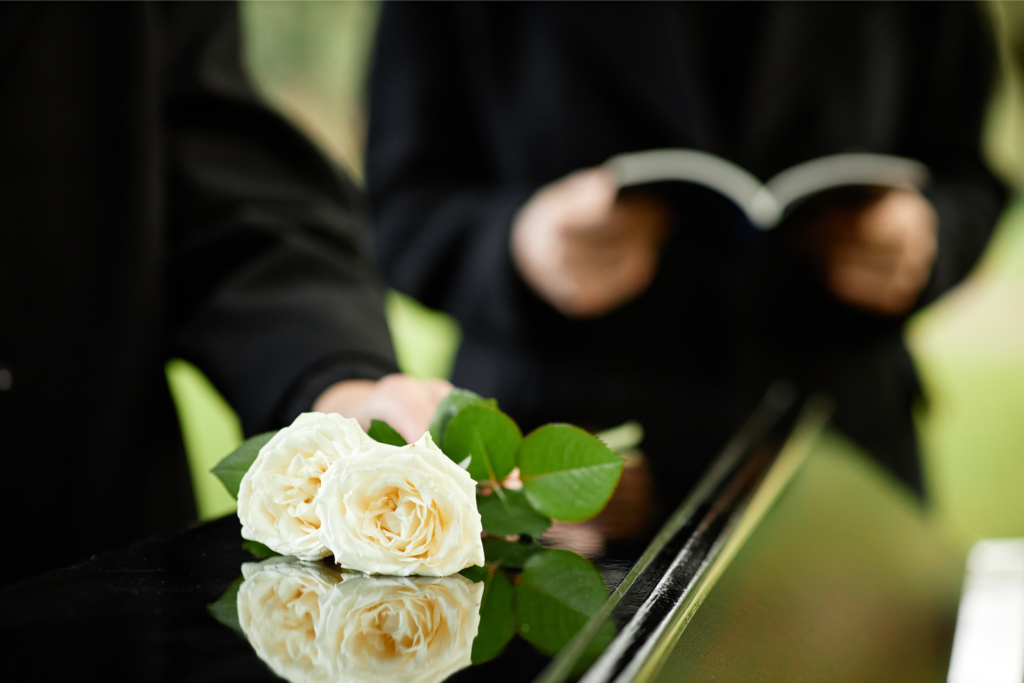
More families are asking a new question when they begin funeral planning: does this have to look like a traditional service?
For some, the answer is yes. A formal funeral with visitation, clergy, prayers, and a clear order of service feels right. For others, something more personal feels like a better fit. They want a gathering that reflects the person’s spirit, interests, stories, and relationships in a way that feels warm, honest, and deeply human. That is where a celebration of life often comes in.
A celebration of life is not a lesser version of a funeral. It is not casual because a family cares less. It is simply a different format. It gives loved ones more flexibility in tone, timing, and setting. It creates room for laughter alongside grief, stories alongside ceremony, and personal touches that feel true to the life being honored.
For families in Northeast Philadelphia, this kind of service is growing in popularity because it offers both meaning and freedom. It can still be heartfelt and respectful. It can still include prayer, music, readings, and shared remembrance. The difference is that the structure often feels more open and more centered on the person’s personality than on a traditional order of events.
At John F. Fluehr & Sons, families have access to funeral and cremation services in Philadelphia that include memorial options designed around each family’s preferences, traditions, and budget. That flexibility matters when a family wants to create something personal without feeling lost in the planning process.
What Is a Celebration of Life?
A celebration of life is a memorial gathering that focuses on the person who died, their personality, their impact, and the memories they leave behind. Instead of following a strict funeral structure, it allows a family to shape the event around what feels meaningful.
That may mean a formal event in a funeral home or community space. It may mean a relaxed gathering in a backyard, restaurant, park, or family home. It may center on favorite music, shared stories, a memory table, photo displays, signature foods, or themed touches tied to the person’s hobbies and interests. In many cases, the event feels more conversational and less ceremonial than a traditional funeral.
As both a simple guide to planning a celebration of life and a celebration of life planning checklist explain, these gatherings often give families more freedom over location, timing, and tone. They also create space for personal details such as favorite songs, meaningful décor, family storytelling, and activities that reflect the person’s life rather than a fixed funeral script.
How Is a Celebration of Life Different From a Traditional Funeral?
This is often the first thing families want to understand, especially if some relatives expect a more traditional service while others want something more personal.
A traditional funeral usually follows a familiar pattern. There may be a viewing or visitation, a formal service, religious readings or prayers, and a burial or cremation that follows on a set schedule. The tone is often more formal, even when the service is warm and personal.
A celebration of life is usually more flexible in several ways.
First, the timing can be different. A funeral often happens within a few days of a death. A celebration of life may happen later, sometimes weeks or even months afterward. That gives families more room to plan, travel, and gather people who live out of town.
Second, the tone is often different. Traditional funerals tend to focus on ritual, mourning, and formal remembrance. A celebration of life often includes those same emotional truths, but it may feel lighter in structure and more focused on joy, gratitude, and stories of who the person was.
Third, the setting can be different. A funeral often takes place in a funeral home, church, or cemetery chapel. A celebration of life can happen in those places too, but it can also happen somewhere that reflects the person’s life, interests, or favorite surroundings.
Fourth, the format is often more open. Some celebrations of life include speeches from family and friends, playlists of favorite songs, photo montages, memory boards, informal food and drink, or small rituals that feel unique to the person being honored.
None of this means a celebration of life is informal in a careless way. It means the family has more freedom to decide what the gathering should feel like.
Why Celebrations of Life Are Growing in Popularity
Many families want a service that feels less scripted and more personal. That is one reason celebrations of life continue to grow in popularity.
For some, the appeal is emotional. They want guests to leave talking about the person’s stories, humor, music, kindness, and passions. They want room for grief, but they also want room for the warmth of memory.
For others, the appeal is practical. A celebration of life often works well when families are spread out across Philadelphia, the suburbs, or other states. Waiting a bit longer can make it easier for more people to attend. It also gives families time to think clearly instead of making every decision in the first few days after a loss.
There is also more openness now around personal forms of remembrance. Families do not always feel bound to one format. They want options. They want a service that fits the person, not a template chosen only because it is familiar.
That shift makes sense in a city like Philadelphia, where families often balance deep tradition with strong individuality. In Northeast Philadelphia especially, many households value both family customs and personal expression. A celebration of life allows those things to meet.
When a Celebration of Life Makes Sense
A celebration of life can be a strong choice in many situations.
It often fits well when a loved one had a big personality and family members want the gathering to reflect the way they lived. It can feel right when music, storytelling, sports, food, travel, military service, faith, art, or community life were central parts of that person’s identity.
It also makes sense when a family wants more time. If relatives are traveling, if a direct cremation happens first, or if the family needs breathing room before planning a public event, a celebration of life offers that flexibility.
Some families choose it because a traditional funeral does not feel like the best reflection of the person. Others choose it in addition to a traditional service. For example, a family might hold a private burial and later host a larger celebration of life for friends, coworkers, neighbors, and the wider community.
There is no rule saying you must choose only one style. In many cases, the best plan draws from both.
How Do You Plan a Celebration of Life?
The process becomes easier when families take it one decision at a time.
Start With the Purpose
Before you choose details, ask what kind of gathering you want to create. Do you want something quiet and reflective, or something more social and story driven? Do you want a faith element, a military element, a cultural tradition, or a simple family led event? Do you want the focus on memory sharing, music, food, or a formal program?
The answer shapes everything else.
Choose the Right Timing
One of the biggest benefits of a celebration of life is flexibility. Some families hold it within a week or two. Others wait for a date that matters, such as a birthday, anniversary, holiday weekend, or season that meant something to the person. There is no single right timeline.
For Northeast Philadelphia families, timing often depends on travel, church calendars, work schedules, and how quickly relatives can gather. If the family wants breathing room, that is one of the strongest reasons to choose this format.
Select a Meaningful Location
The location sets the tone. Some families still prefer the comfort and support of a funeral home because it gives them structure and guidance. Others choose a hall, restaurant, home, park, or community space tied to the person’s life.
The best location is one that feels manageable and meaningful. It should fit the number of guests, the tone of the event, and the kind of experience the family wants to create.
Build the Program Around the Person
This is where a celebration of life becomes truly personal. Instead of asking what a service usually includes, ask what best reflects the person being remembered.
You might include a welcome from a family member, a few short readings, a video tribute, open sharing time, a slideshow, favorite music, a memory table, or printed cards where guests can write stories. You may want a clergy member, celebrant, or funeral director to help guide the flow. Or you may want the family to lead it themselves.
The strongest celebrations of life usually feel edited, not crowded. They do not try to do everything. They choose the details that matter most.
Think About Food, Music, and Atmosphere
These elements often matter more in a celebration of life than they do in a traditional service because they help set the feeling of the event.
If your loved one was known for Sunday dinners, Phillies games, church socials, gardening, jazz records, coffee with friends, or summer cookouts, those details can quietly shape the gathering. Food and music do not have to feel elaborate. They simply need to feel connected.
Atmosphere matters too. Families often choose more conversational seating, photo displays, personal objects, sports memorabilia, favorite flowers, or keepsakes that help guests feel like they are stepping into a memory, not only attending a service.
Give Guests a Way to Participate
One reason celebrations of life resonate so strongly is that they invite participation. Guests can share stories, bring photos, write notes, contribute to a memory board, or speak during an open remembrance period.
When handled well, this participation makes the event feel alive and communal. It turns remembrance into something shared rather than observed from a distance.
How Fluehr Can Help Personalize a Celebration of Life
Families often assume a personalized event means they have to figure everything out on their own. That is not the case.
Planning a celebration of life still involves logistics, timing, support, and guidance. Even the most unique gathering works best when an experienced team helps coordinate the pieces. That is where Fluehr can make a real difference.
Fluehr’s service offerings make clear that the funeral home provides traditional funerals, cremation, memorial services, and customized support built around each family’s preferences and budget. That matters because a celebration of life often blends practical planning with personal creativity. Families need help with the formal side while still having the freedom to shape the event around the person being honored.
Fluehr’s planning resources also note that families can document preferences for burial, cremation, or a celebration of life through planning ahead for burial, cremation, or a celebration of life. That kind of guidance helps families move from general ideas to a meaningful plan without feeling pressured into a format that does not fit.
In practice, this means a family does not have to choose between personalization and support. They can have both. They can create something unique while still working with professionals who understand timing, coordination, and the emotional weight of the day.
What Families in Northeast Philadelphia Often Want Most
In Northeast Philadelphia, celebrations of life often reflect the same values families bring to every important event: loyalty, warmth, practicality, and strong personal ties. People want a gathering that feels real. They want stories that sound like the person. They want music people recognize, food people will share, and a setting that feels comfortable rather than stiff.
They also want something that respects older family members, local traditions, and the emotional seriousness of the moment. That balance is important. A celebration of life does not need to feel casual in a way that ignores grief. It needs to feel honest. It needs to give people room to laugh, cry, remember, and connect.
That is why this format works so well for many local families. It offers structure without rigidity. It offers meaning without pressure. It allows the service to feel personal in a way guests remember long after the day is over.
A Different Format, the Same Purpose
At its heart, a celebration of life serves the same purpose as any meaningful memorial. It brings people together. It honors the person who died. It helps family and friends begin the work of grieving and remembering together.
The difference is not in whether it matters. The difference is in how it is shaped.
For some families, the best way to honor a loved one is through a traditional funeral. For others, it is through a celebration of life that feels more open, more personal, and more reflective of the person’s spirit. Neither choice is more loving. The right choice is the one that feels true.
When a family understands what a celebration of life is and how to plan one, the idea becomes much less overwhelming. It becomes what it should be: a thoughtful, meaningful way to remember someone well.