
For many families, the first call to a funeral home feels like the hardest step. You may feel shocked. You may feel numb. You may worry about saying the wrong thing, forgetting an important detail, or facing a long list of decisions before you are ready. Those fears are common. They also make sense.
The good news is simple. Your first call does not need to be perfect. You do not need every answer. You do not need a full plan. You only need a starting point.
When you reach a funeral home, the person on the other end of the line is there to guide you through the first few steps with care and clarity. The call is not a test. No one expects you to know every detail. The purpose of the call is to understand what has happened, where your loved one is, who has legal authority to make arrangements, and what needs to happen next.
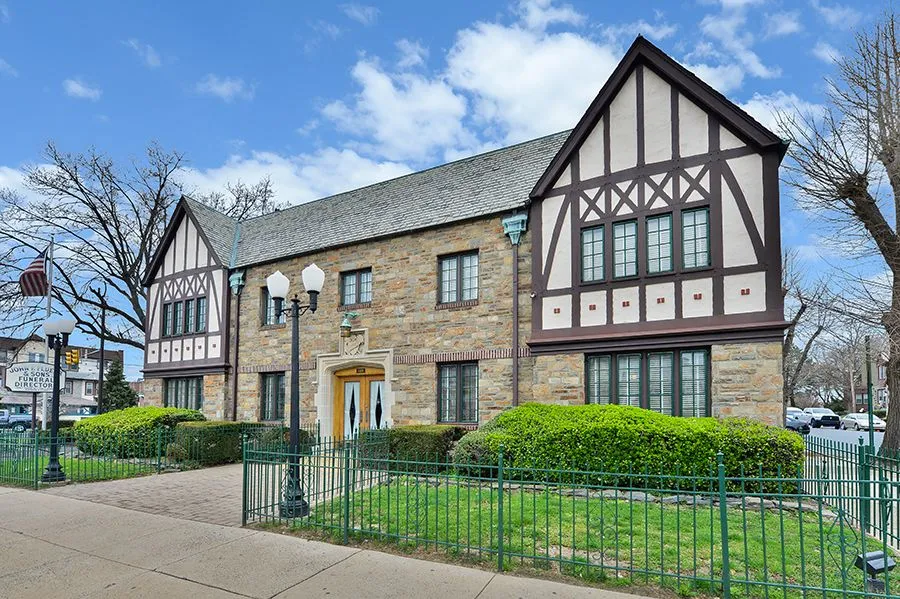
At John F. Fluehr & Sons, families receive gentle support from the first conversation forward. The funeral home’s team provides funeral and cremation services in Philadelphia with a focus on dignity, clear guidance, and personal care. If you have never made this call before, knowing what to expect often eases the fear.
Why the First Call Feels So Hard
Most people do not make this kind of call often. When they do, the timing is usually tied to grief, stress, and sudden responsibility. You may be speaking for a parent, a spouse, a sibling, or another loved one. You may also be the person everyone else turns to for answers, even though you are grieving too.
Part of the fear comes from not knowing what will happen next. Will someone ask for documents right away? Will you need to choose burial or cremation on the spot? Will the call take an hour? Will you need to discuss costs before you have even had time to process the loss?
In most cases, the first call is simpler than families expect. A funeral director or staff member will begin with immediate needs. They will help you move from confusion to order, one step at a time. The goal is not to force every decision in one moment. The goal is to begin.
Who You May Need to Call Before the Funeral Home
The right first call depends on where the death occurred and whether the passing was expected.
If a loved one dies at home and the death was unexpected, emergency services often need to respond first. If hospice was involved and the death was expected, the hospice nurse is often the right first contact. If a death happens in a hospital, nursing home, or care facility, staff members usually guide the first steps and help with the official pronouncement. If a loved one dies while away from home, a local funeral home often helps coordinate transportation and next arrangements.
Resources such as guidance on the first call after a death and who to contact when someone dies explain these early steps in more detail. Once those immediate needs are addressed, the funeral home becomes a central source of help.
What Happens When You Call a Funeral Home for the First Time
When you place the call, the conversation usually begins in a calm and practical way. The staff member will ask a few key questions so they understand the situation and know how to help. The tone should feel steady, respectful, and supportive.
In many cases, the first part of the call covers four basic points.
1. The name of the person who has died
The funeral home will need your loved one’s full name. If you know a date of birth, age, or address, you may be asked for those details too. If you do not have every detail in front of you, give what you know. More information often gets confirmed later.
2. Where your loved one is now
This is one of the most important pieces of information. Is your loved one at home, at a hospital, at a nursing facility, or with the medical examiner? The answer shapes the next step. The funeral home needs to know where your loved one is located so the transfer process is handled in the proper way.
3. Who is calling and what your relationship is
The funeral home will ask for your name, your phone number, and your relationship to the person who died. This helps staff know who they are speaking with and who will likely serve as the main point of contact for the family.
4. Whether any plans already exist
If your loved one preplanned services, chose a funeral home in advance, or shared wishes with family, the funeral home will want to know. Any earlier decisions help guide the next phase and reduce stress for the family.
From there, the staff member will explain what happens next. In some cases, the next step is arranging transportation into the funeral home’s care. In other cases, the next step is setting an arrangement meeting or speaking with the legal next of kin. The pace depends on the circumstances, though the process is usually more manageable than families fear.
What Questions Will Be Asked
Many families want to know the exact questions they are likely to hear. While every situation is different, the first call often includes questions like these:
- What is your loved one’s full name?
- Where did the death occur?
- Has the death been pronounced by a doctor, nurse, hospice provider, or another official?
- Who is the legal next of kin or the person handling arrangements?
- Is there a preferred type of service, such as burial, cremation, funeral, memorial service, or something else?
- Did your loved one leave any written plans or instructions?
- What is the best phone number for follow up?
- Are there any urgent timing issues, religious customs, or family concerns the funeral home should know right away?
Some families worry that these questions will feel cold. In a well run funeral home, they should not. These questions serve a practical purpose. They help the funeral director protect your family’s wishes, move the process forward, and prevent confusion later.
What to Have Ready Before You Call
You do not need a folder full of paperwork before you pick up the phone. Still, having a few details nearby often helps the conversation move more smoothly.
Try to have the following information ready if possible:
- Your loved one’s full name
- The current location of your loved one
- The name of the hospital, hospice group, care facility, or attending physician if relevant
- Your name, phone number, and relationship to your loved one
- The name of the person who will make final decisions if that person is not you
- Any known preplanning records or written wishes
- A basic sense of whether the family is leaning toward burial, cremation, funeral service, memorial service, or still undecided
If you do not know some of these details, make the call anyway. Waiting for every answer often adds stress. The funeral home will guide you through what matters first and what may wait until later.
How Long the First Call Usually Takes
Most first calls are shorter than people expect. A simple call may last only several minutes. A more detailed call may take a bit longer if special circumstances are involved, such as a death out of town, questions about legal next of kin, or a need for immediate transfer coordination.
Length is not the main issue. Clarity is. The first call should leave you with a better sense of what comes next. By the end of the conversation, you should know who the funeral home is waiting to hear from, what information still needs to be gathered, and whether a transfer or meeting is being arranged.
If the first call does not answer every question, that is normal. A funeral director often handles the urgent first steps, then walks the family through planning in a separate conversation.
What Happens After the First Call
After the first call, the funeral home usually begins the immediate care process. This may include bringing your loved one into their care, confirming legal authority for arrangements, and setting a time to speak in more detail with the family.
The next conversation often covers service preferences, timing, paperwork, obituary details, clergy or celebrant needs, cemetery or crematory coordination, and other planning items. Those decisions usually happen after the first call, not during the first few minutes.
At Fluehr, families who need help right away have access to a team that is ready to respond with care. The funeral home’s contact page reflects that steady support for families who need answers, immediate assistance, or help planning next steps. If you need to reach the team, you will find direct help through contact information for immediate funeral support.
Why Gentle Guidance Matters So Much
During the first call, technical knowledge matters. Compassion matters more.
Families remember how they felt in those first moments. They remember whether someone rushed them, confused them, or made a painful moment feel heavier. They also remember when someone slowed the process down, explained the next step in plain language, and helped them feel steady enough to move forward.
That is why the right funeral home does more than answer questions. The right funeral home removes fear. It helps families understand that they do not need to solve every part of the process in one conversation. One call begins the path. One kind voice helps restore order. One clear explanation turns panic into direction.
For a funeral home with deep roots in Philadelphia, that gentle approach matters. Families want experience. They want clarity. Most of all, they want care that feels human. John F. Fluehr & Sons has served Philadelphia families for generations, and that history shapes the way the first call is handled. The work begins with respect, patience, and a calm hand at the moment families need those things most.
If You Feel Unprepared, Make the Call Anyway
Many people wait because they think they should know more before they call. They want every document ready. They want family agreement. They want to feel calm before they speak to anyone. Grief rarely works that way.
You do not need perfect words. You do not need a full plan. You do not need every answer lined up in advance. You need a starting point and someone who knows what to do next.
The first call to a funeral home is not about having everything figured out. It is about finding direction in a difficult moment. Once that call begins, fear often starts to ease. Questions become steps. Uncertainty becomes a plan. A hard moment becomes a little more manageable.
That shift matters. It helps families breathe. It gives structure to the first hours after a loss. It opens the door to support, care, and guidance when those things matter most.
A First Call Rooted in Care
When someone you love dies, the first phone call to a funeral home may feel overwhelming. Yet the purpose of the call is simple. The funeral home needs to understand the situation, guide the next step, and begin caring for your loved one and your family.
You will likely be asked a few practical questions. The call will likely be shorter than you expect. You will not need every answer at once. What matters most is reaching someone who responds with calm, clarity, and compassion.
For Philadelphia families, that first call to John F. Fluehr & Sons is meant to feel like the start of steady support. Not pressure. Not confusion. Not more fear. A clear beginning, handled with care.