For many families, cremation feels unfamiliar until the moment they need to make a decision. Some arrive at the subject after a recent loss. Others start the conversation while planning ahead. In both cases, the same questions often rise to the top. What does cremation involve. What does it cost. What are the service options. What happens after the cremation is complete.
Those questions matter because cremation is not one single path. It is a group of choices. A family might choose a simple direct cremation with no public ceremony. Another family might choose a full visitation and funeral before cremation. Another might hold the cremation first, then gather later for a memorial service when relatives and friends are able to attend. Each path offers a different experience, a different cost range, and a different rhythm for grief and remembrance.
At John F. Fluehr & Sons, families have access to cremation services in Philadelphia that reflect personal wishes, family values, and the level of ceremony that feels right. Cremation is a meaningful and flexible option, with room for private gatherings, traditional elements, memorial services, prayers, music, readings, and personal reflections.
This guide explains the basics in plain language. It covers direct cremation, cremation with service, cost factors, religious and cultural issues, and what happens after cremation, so families in Philadelphia have a clear starting point.
Why More Families Consider Cremation
Cremation has grown because it offers flexibility. Families often value the freedom to shape the service around real life instead of forcing every detail into a narrow timeline. Some want a simple plan. Some want more time for relatives to travel. Some want a service that feels less formal. Some want a lower overall cost than a full traditional burial often brings.
Flexibility does not mean less meaning. In fact, many families find that cremation gives them more room to create a tribute that feels personal. They might gather at the funeral home, a church, a family home, or another setting that fits the life being remembered. They might hold the service right away or wait until a later date that works better for the people who need to be there.
That freedom is one reason cremation often appeals to modern families in Philadelphia, especially when relatives live across different neighborhoods, suburbs, or states. It lets families focus on the person, the relationships, and the tone of the remembrance.
What Cremation Actually Involves
Many people know the word cremation but not the steps behind it. The process itself is orderly and carefully managed.
After a funeral home brings your loved one into its care, staff members complete identification steps, gather the required authorizations, and prepare the body for cremation. If a medical device such as a pacemaker needs removal, that happens before the cremation. The body is then placed in a combustible container and taken to the cremation chamber. After the cremation is complete, the remaining bone fragments are processed into a finer consistency and placed in a temporary container or urn for the family.
The practical side of this process matters because families often worry about dignity and identity. Good cremation practice places strong emphasis on both. The outside guide on the cremation process, options, and what happens after explains that identification controls, authorization steps, and careful handling remain central parts of the process from start to finish.
Direct Cremation, the Simplest Option
Direct cremation is the most basic form of cremation service. The body goes into the care of the funeral home, the paperwork and authorizations are completed, the cremation takes place, and the cremated remains are returned to the family. There is no public viewing, visitation, or formal ceremony before the cremation.
This option appeals to families who want simplicity, privacy, or a lower price point. It also works well for families who plan to hold a gathering later on their own schedule. Some choose direct cremation because they want time to think. Some choose it because they prefer a small family remembrance. Others choose it because it is the lowest cost option in many funeral markets.
Direct cremation does not remove the chance for memorialization. It simply separates the cremation itself from the ceremony. A family still has many ways to honor the person afterward, from a church service to a luncheon, a home gathering, a scattering ceremony, or a cemetery committal.
Cremation With Visitation or Funeral Service
Some families want the flexibility of cremation without giving up the structure of a more traditional farewell. In those cases, cremation takes place after a viewing, visitation, or funeral service.
This path often includes embalming or preparation for public viewing, staff support for the service, use of a facility, printed materials, flowers, music, clergy or celebrant coordination, and transportation. In some cases, a rental casket is used for the visitation or service, followed by cremation afterward.
This option often feels right for families who value the gathering of a public farewell but still prefer cremation over burial. It gives mourners time to offer condolences in person and gives the immediate family a more familiar sequence of events. It also fits families with strong religious or cultural customs that place importance on a wake, viewing, or church service.
Cremation With Memorial Service Afterward
Another common path places the cremation first and the memorial service later. This often works well when family members need time to travel or when the family wants more breathing room before planning a public gathering.
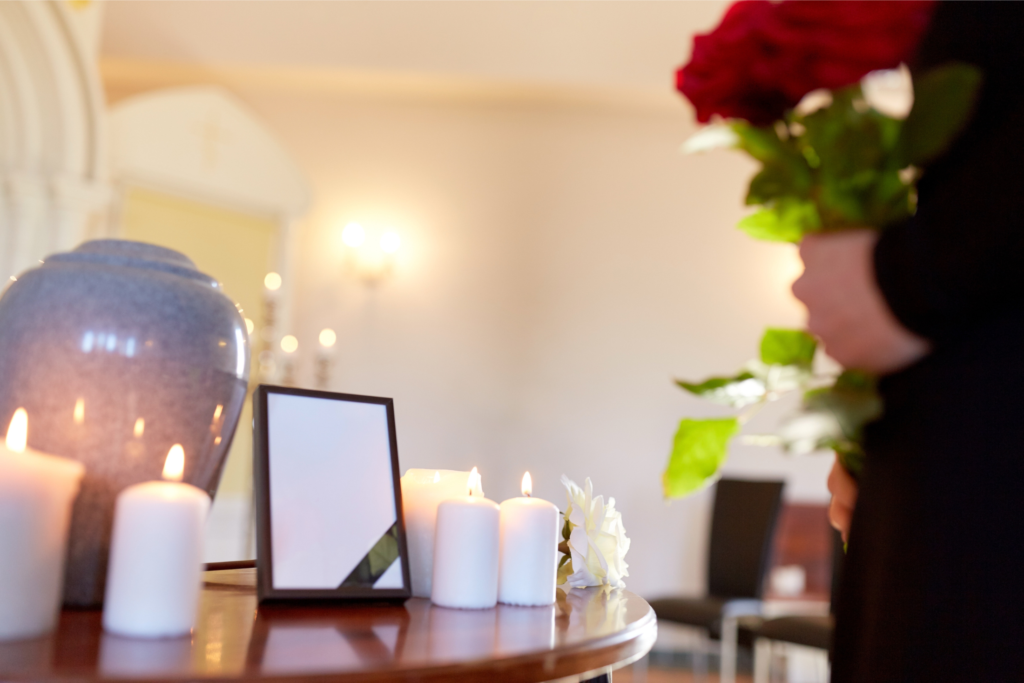
In this setup, the cremated remains are often present at the service in an urn, though some families choose a memorial without the urn on display. The service may take place at the funeral home, a church, a reception hall, or another meaningful location. Families often include readings, music, eulogies, photo displays, prayer, and personal reflections.
This is a strong middle path for many families. It lowers some of the time pressure that follows a death while still creating a structured place for remembrance. It also gives families more control over tone. The service might feel formal and faith centered, or more personal and relaxed, depending on what suits the life being honored.
What Affects Cremation Cost
Families searching for affordable cremation Philadelphia options often expect one easy number. In real life, cost depends on choices. The cremation itself is one part of the total. The surrounding services shape the rest.
Direct cremation is usually the lowest cost option because it does not include a public ceremony before the cremation. Once a family adds a visitation, funeral service, memorial gathering, facility use, printed materials, tribute items, urn upgrades, clergy or celebrant costs, or other personalized elements, the total rises.
Transportation also matters. So do death certificates, authorizations, local permit requirements, residential removals in some cases, and any special preparation needs. The article on how cremation packages and service choices affect cost explains this clearly. The cremation procedure itself stays largely the same, while package price changes based on the services and items wrapped around it.
That is why cost conversations work best when families start with priorities. Do you want a simple direct cremation. Do you want a viewing first. Do you want a memorial service later. Do you want the urn placed in a cemetery or niche. Each answer changes the price picture.
Cremation Versus Burial
Many families do not approach cremation as a stand alone topic. They are really asking a bigger question, cremation or burial.
Burial often offers a more familiar structure for families who value a cemetery grave, a permanent place of visitation, and a traditional funeral sequence. Cremation offers more flexibility in timing, service style, and final placement. Burial often carries more line item costs, especially when cemetery property, opening and closing fees, vaults, and casket expenses enter the picture. Cremation often lowers the total, though the gap depends on how simple or elaborate the final plan becomes.
This is why cremation vs burial Philadelphia searches remain so common. Families are not only comparing price. They are comparing experience, timing, tradition, and what feels most fitting for the person who died.
Religious and Cultural Considerations
Cremation is a practical choice, though it is also a cultural and spiritual one. Some families feel fully comfortable with it. Others approach it with questions tied to faith, family tradition, or customs from another country.
In many Christian communities, cremation is accepted today, though some families still prefer burial and some traditions strongly encourage reverent interment of the cremated remains rather than indefinite storage at home. Other religious and cultural communities hold different views, and some prefer burial as the clearest expression of their beliefs.
That is why families benefit from speaking with clergy or trusted spiritual leaders early in the process. A funeral director helps explain the service options. A faith leader helps clarify what best fits the family’s religious tradition. In a city as diverse as Philadelphia, both conversations matter.
What Happens After the Cremation
One of the biggest decisions comes after the cremation, what to do with the cremated remains.
Families often choose one of several paths. Some place the urn in a cemetery plot or columbarium niche. Some keep the urn at home. Some scatter the remains in a meaningful place, following the rules that apply to that setting. Some divide a portion into keepsakes for close family members. Some hold onto the urn for a period of time, then arrange a later burial or scattering ceremony.
Fluehr’s cremation page lists these choices clearly. Families may inter the ashes in a cemetery, place them in a mausoleum niche, keep them in an urn at home, or scatter them in a place that carries special meaning. That range matters because remembrance does not end when the cremation is complete. The family still decides how memory will live in daily life.
What to Expect From the Funeral Home
For many families, the first concern is practical. Who handles the paperwork. Who helps with authorizations. Who explains the options in plain language. Who answers the phone when the death happens at night or over a weekend.
Fluehr’s broader services page says its team offers clear pricing, help with paperwork and benefits, and support from the first call through aftercare. That matters because cremation is not only a disposition choice. It is a process that touches legal forms, scheduling, identification, family communication, and memorial planning.
Families who want to talk through those details in person often start by visiting speak with a Fluehr funeral director in Mayfair. The funeral home is located at 3301 Cottman Avenue in Philadelphia, and the team handles both immediate need and planning conversations.
How to Choose the Right Cremation Path
The right choice starts with a few honest questions. Do you want the simplest and lowest cost path. Do you want a public service before cremation. Do you want a memorial later when more people are able to attend. Do you want a faith centered ceremony. Do you want the cremated remains placed in a cemetery, kept at home, or scattered elsewhere.
Families often feel more at ease once those questions are on the table. The subject feels less abstract. It becomes a set of clear choices, each with its own benefits and tradeoffs.
The best cremation plan is not the one that sounds most modern or most traditional. It is the one that fits the person, the family, the budget, and the kind of remembrance that feels right.
A Clearer Way to Approach Cremation in Philadelphia
Cremation gives Philadelphia families real flexibility. It offers a simple path for those who want privacy and lower cost. It also supports full services, memorial gatherings, faith traditions, and meaningful personalization for families who want a more structured farewell.
Once families understand the options, the process often feels less overwhelming. Direct cremation, cremation with service, memorial service afterward, urn placement, cemetery interment, home keeping, and scattering all belong to the same larger question, how do we honor this life well.
That question deserves time, clarity, and steady guidance. Families who understand the choices tend to make better decisions, with less pressure and more peace.